Your skin isn’t just a surface—it’s a storyteller. And one of the most powerful narrators it listens to is your nervous system.
When life feels relentless, your skin doesn’t stay neutral. It reacts, adapts, compensates—and sometimes, it breaks down. But when your nervous system softens, something remarkable happens: your skin begins to repair, regenerate, and glow in a way no highlighter can replicate.
Let’s go deeper than surface-level beauty—and into the biology, the truth, and the possibility of radiance from within.
The Science: How Chronic Stress Shows Up on Your Skin
Stress is not just emotional—it’s biochemical. When your brain perceives stress, it activates the HPA axis (hypothalamic-pituitary-adrenal system), releasing cortisol and adrenaline into your body.
And your skin? It has receptors for these hormones.
What that actually does:
- Breaks down collagen and elastin → leading to wrinkles and sagging
- Disrupts the skin barrier → causing dryness, sensitivity, and irritation
- Triggers inflammation → worsening acne, eczema, psoriasis
- Slows wound healing → making skin recover more slowly
- Increases oil production → leading to breakouts
Research confirms that chronic stress hormones directly impair skin integrity, increase DNA damage, and reduce the skin’s ability to repair itself. (PMC)
Another review found cortisol reduces essential lipids and structural proteins, weakening the skin barrier and increasing sensitivity. (PMC)
And clinically, stress is linked to flare-ups in 37–88% of psoriasis patients. (Modern Aesthetic Institute)
A dermatologist puts it plainly:
“The skin is a visible reflection of what's going on internally.” — Dr. Alexis Stephens (Good Housekeeping)
Let that land for a moment.
Your skin isn’t “failing you.”
It’s communicating with you.
The Brain–Skin Axis: Why Beauty Is Emotional
There’s a profound feedback loop happening constantly between your mind and your skin.
- Stress → increases inflammation in the skin
- Skin inflammation → sends distress signals back to the brain
- The cycle continues
This is known as the brain-skin axis, and it means your emotional state literally shapes your complexion. (Harvard Health)
Which explains why:
- You break out before big moments
- Your skin dulls during burnout
- Your eyes look tired even when you slept
Your body is always telling the truth.
What a Calm Nervous System Does for Your Skin
Now here’s where it gets beautiful.
When your nervous system shifts from fight-or-flight → rest-and-repair, everything changes.
Biologically, a calm state leads to:
- Reduced cortisol → less inflammation
- Improved circulation → natural glow
- Better hydration retention → plumper skin
- Stronger barrier function → resilience
- Faster cellular repair → smoother texture
In other words:
✨ Calm = collagen preservation
✨ Calm = luminosity
✨ Calm = longevity
This is what “beauty from within” actually means—not metaphorically, but physiologically.
Adaptogens: Nature’s Nervous System Support
Enter one of the most exciting bridges between wellness and skincare: adaptogens.
Adaptogens are plant and mushroom compounds that help the body regulate stress responses—rather than just masking symptoms.
As dermatologist Dr. Jacqueline Watchmaker explains:
“Adaptogens help the body respond to stress… they’re supportive.” (U.S. Dermatology Partners)
What adaptogens do for your skin:
- Balance cortisol signaling
- Reduce inflammation
- Protect against oxidative stress
- Strengthen the skin barrier
- Support collagen and hydration
Some of the most powerful include:
- Ashwagandha (calming, cortisol-balancing)
- Reishi mushroom (barrier strengthening)
- Ginseng (radiance + collagen support)
- Rhodiola (anti-fatigue, brightening)
Even more compelling? Studies show adaptogens like ashwagandha can reduce cortisol levels and improve stress resilience. (Health)
Beauty Rituals That Regulate (Not Just Decorate)
This is where your brand philosophy becomes incredibly relevant: beauty isn’t just what you apply—it’s what you embody.
Let’s talk about how to integrate this into real, grounded rituals.
1. Inner Calm: Adaptogenic Beverages
Daily stress support isn’t just topical—it’s systemic.
Functional drinks like 8 Billion are designed to nourish your nervous system from the inside out, often blending adaptogens, nootropics, and botanicals that support mood, focus, and stress resilience.
🔗 Explore: https://eightbillion.com/
Think of it this way:
You’re not just hydrating—you’re retraining your stress response.
2. Topical Calm: Adaptogenic Skincare
Your skin also benefits from direct, topical nervous system support.
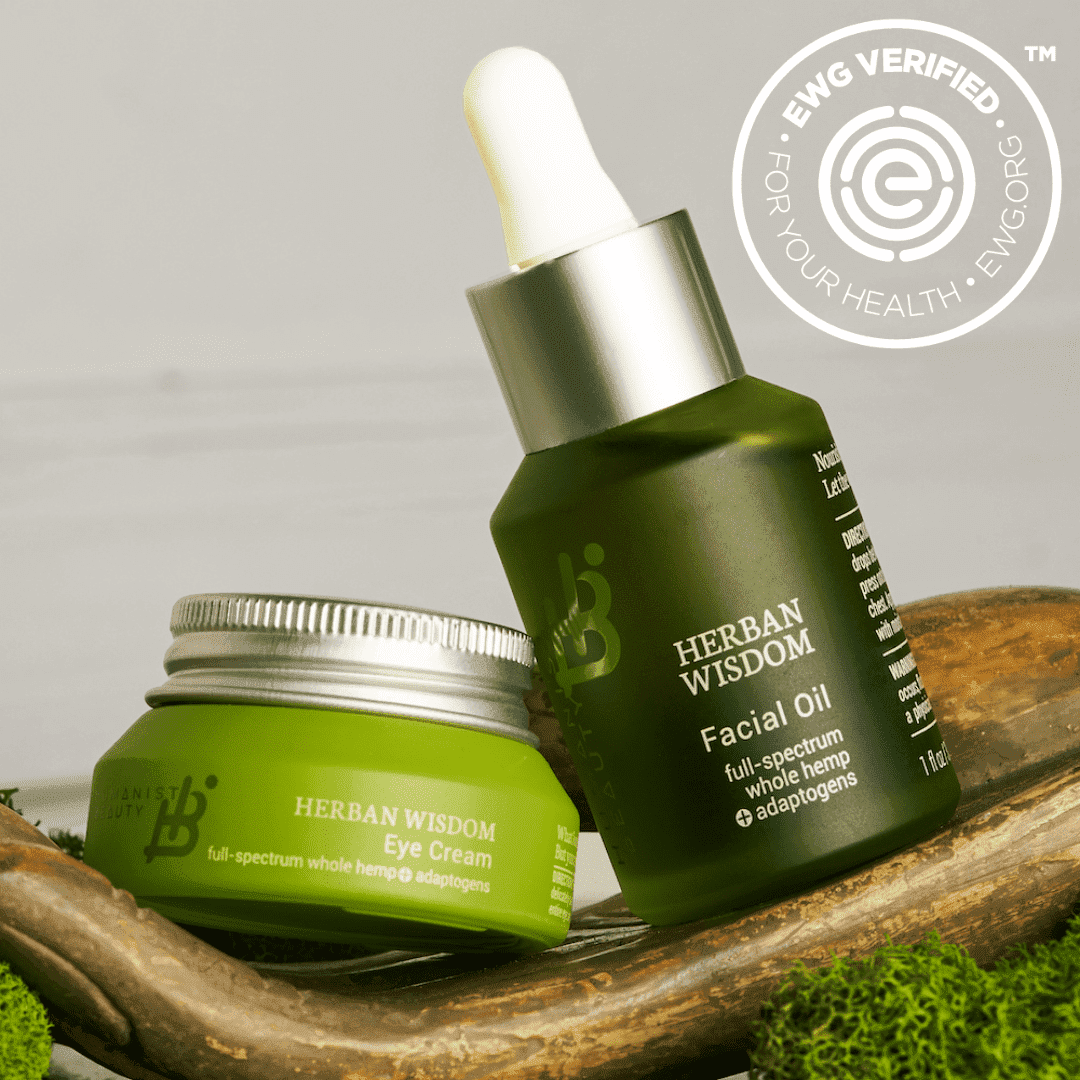
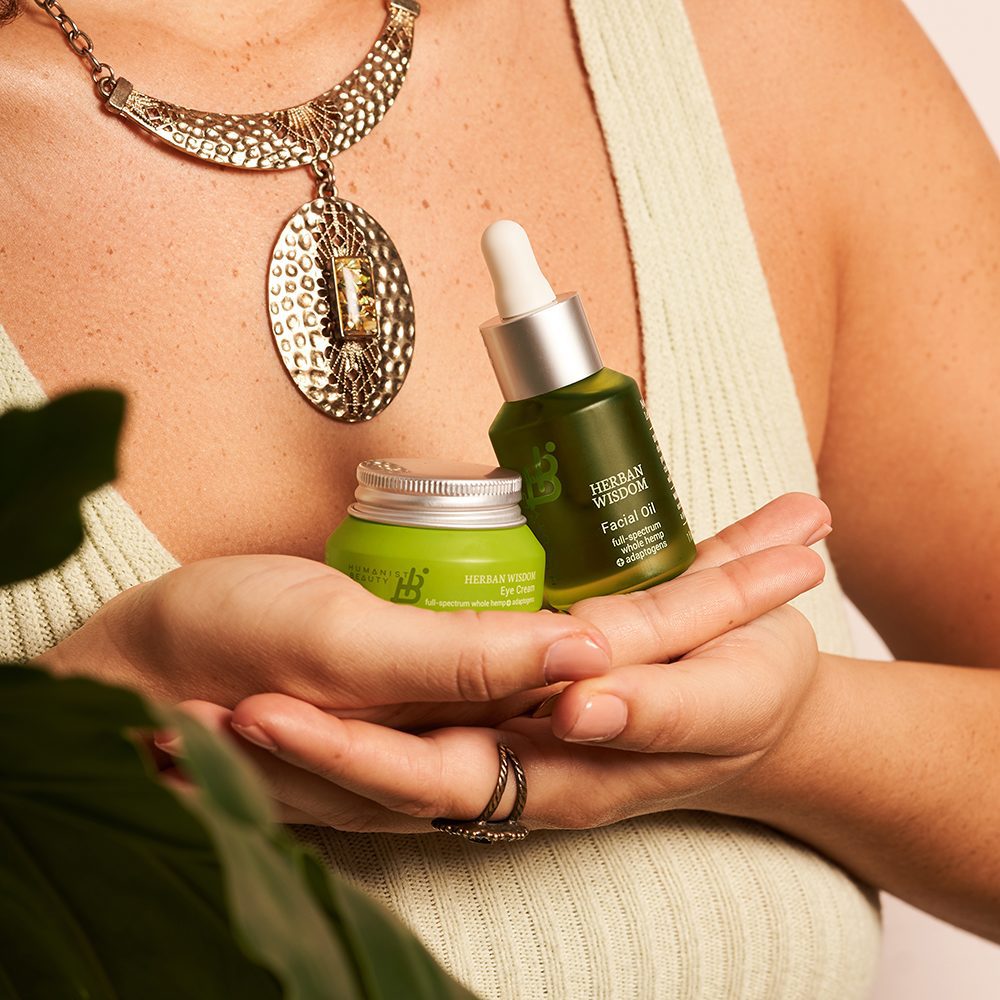
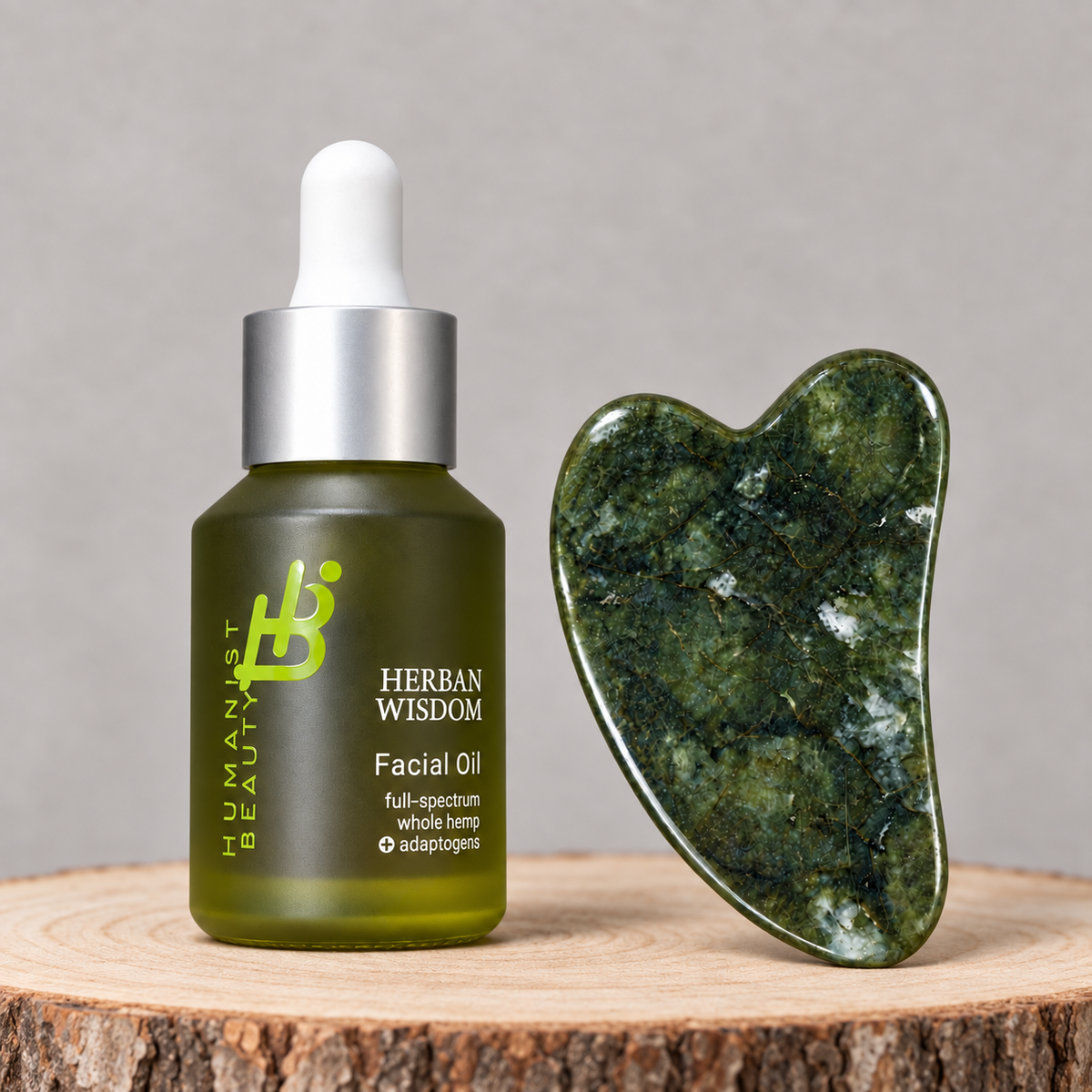
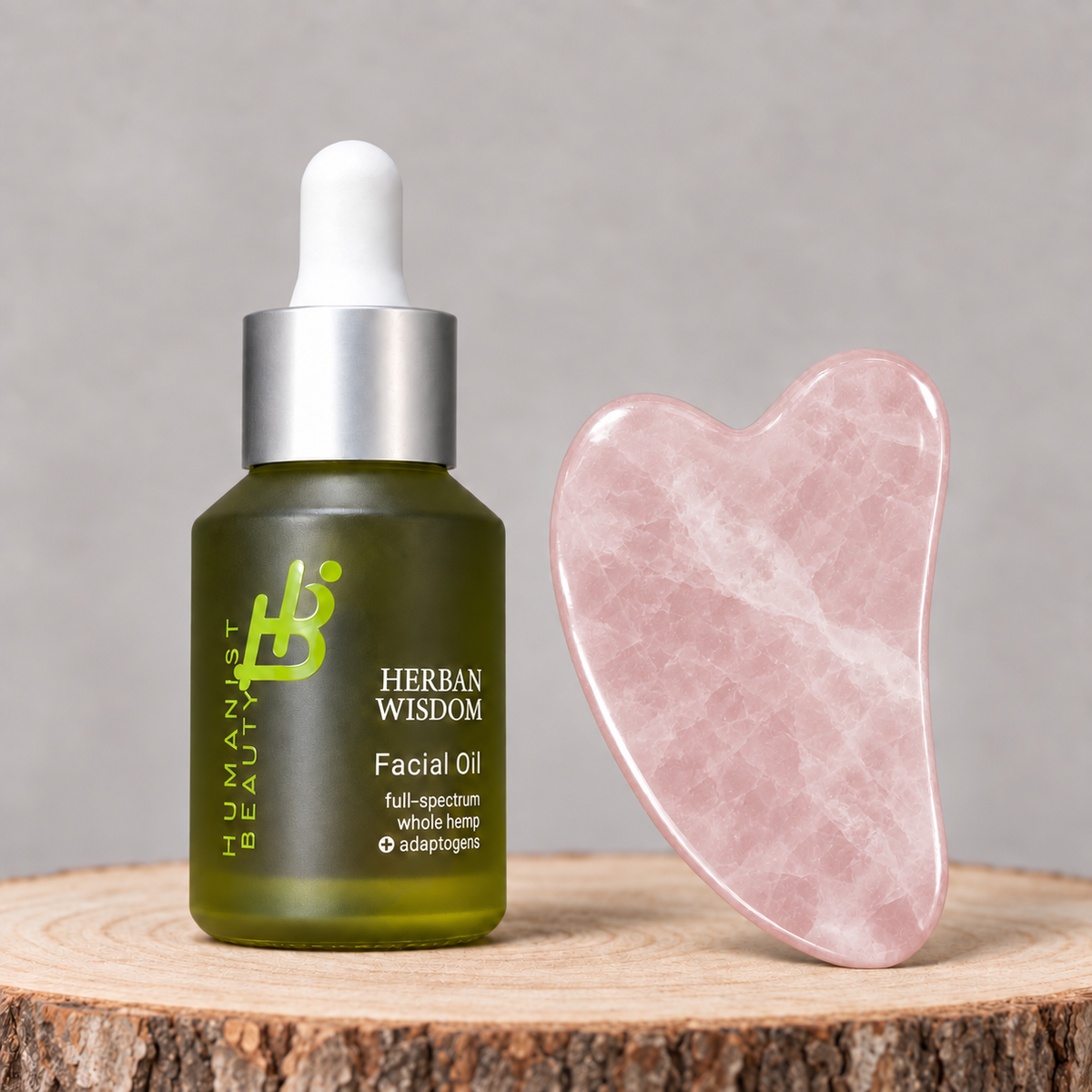
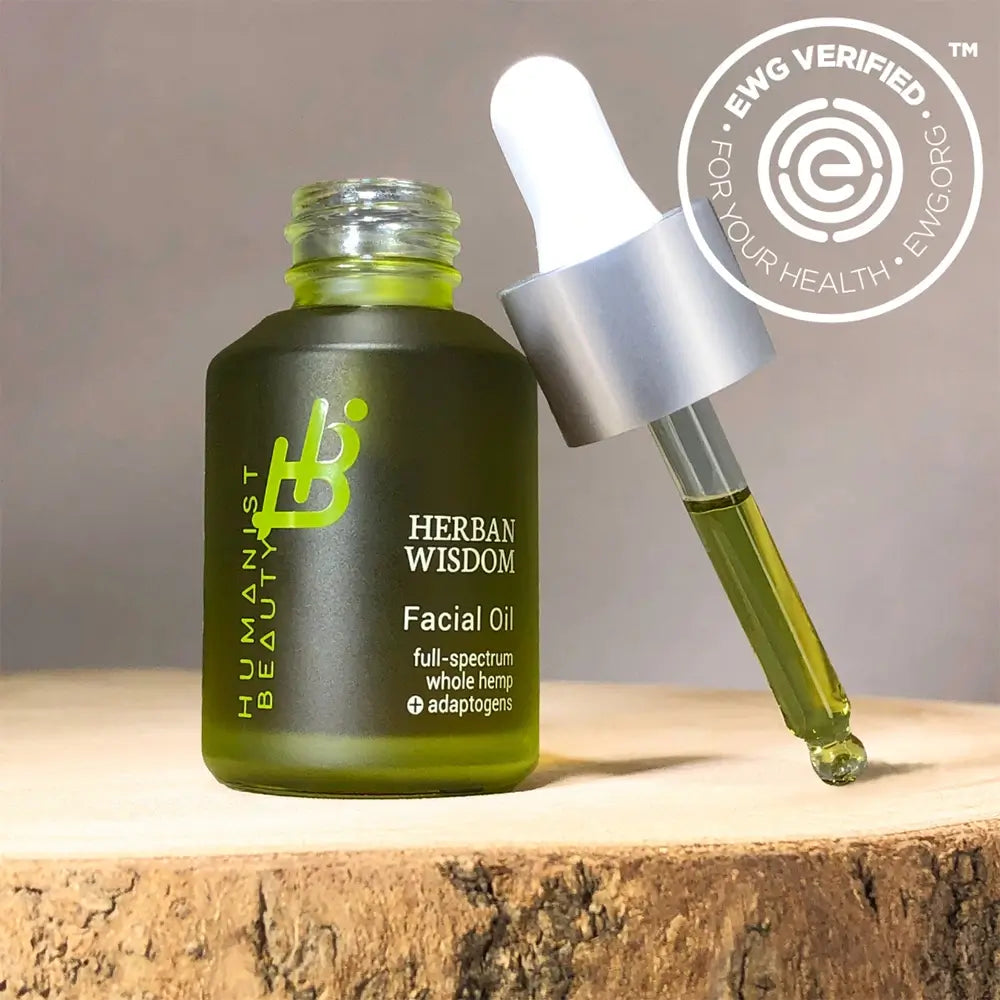
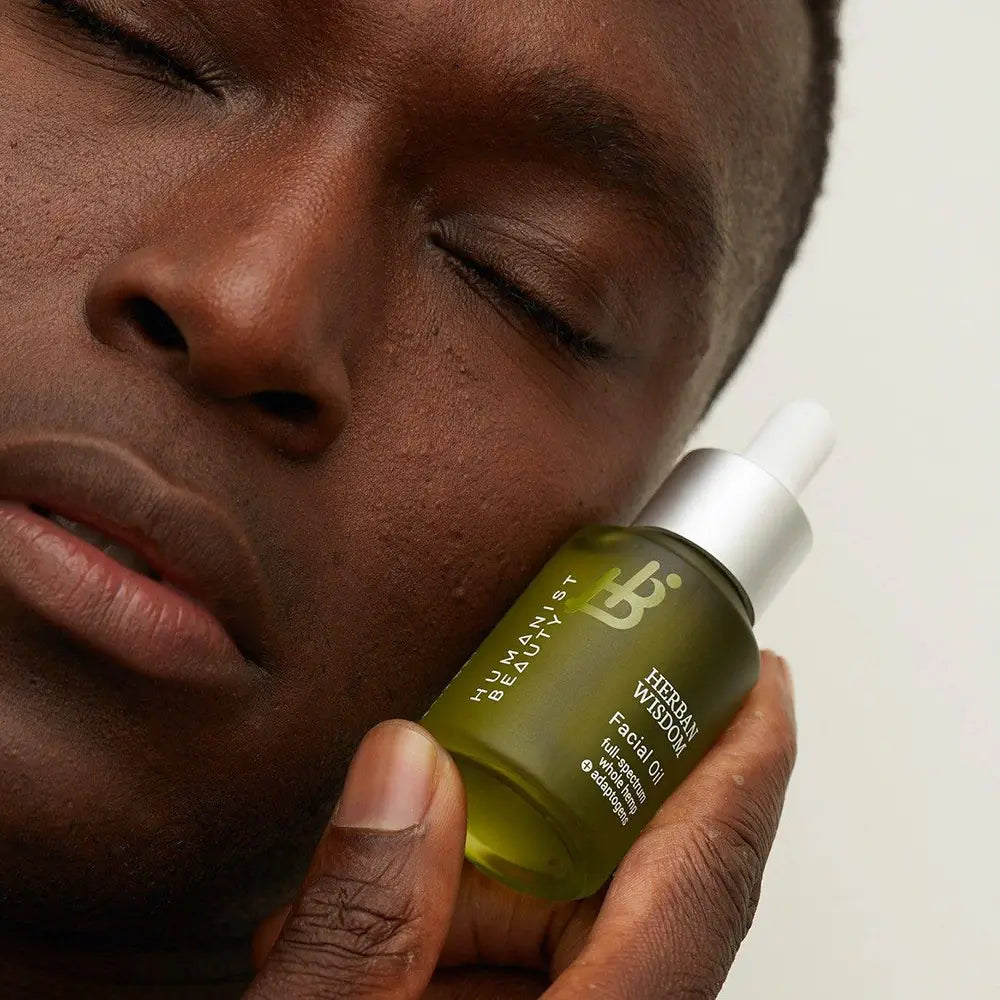
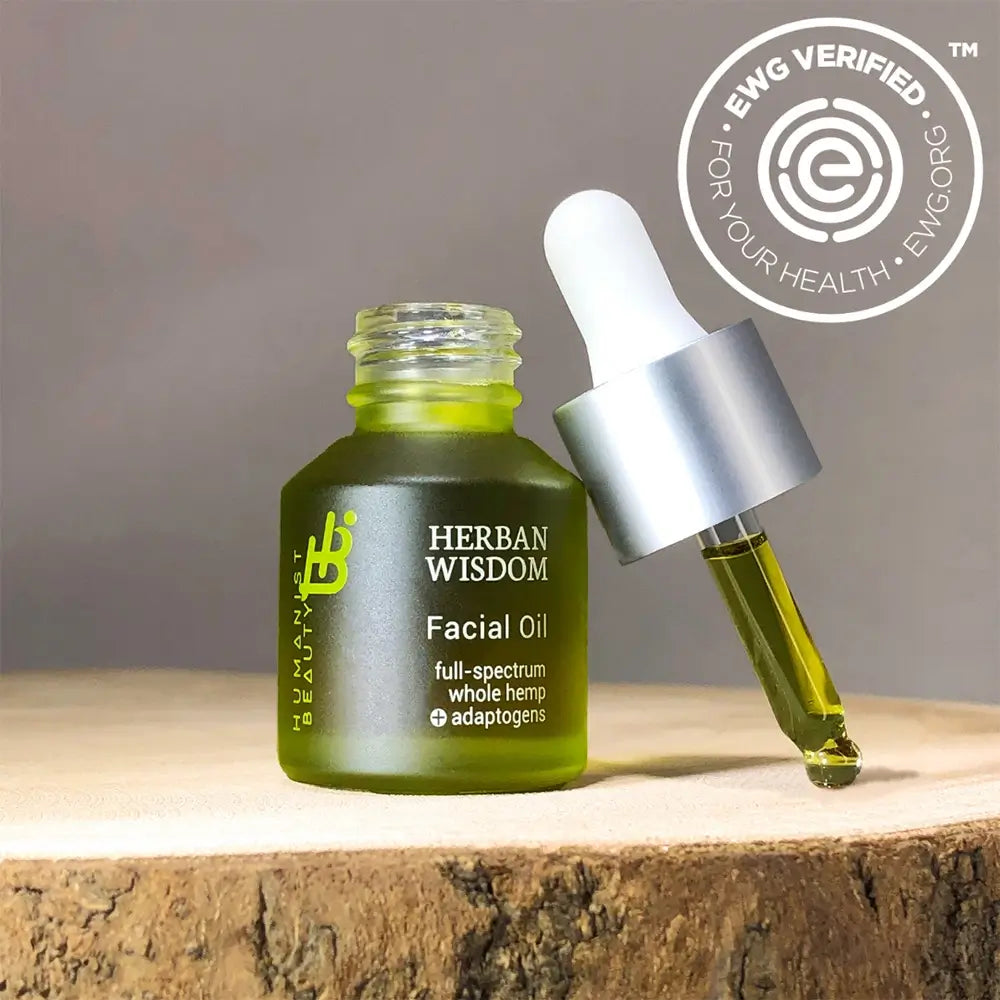
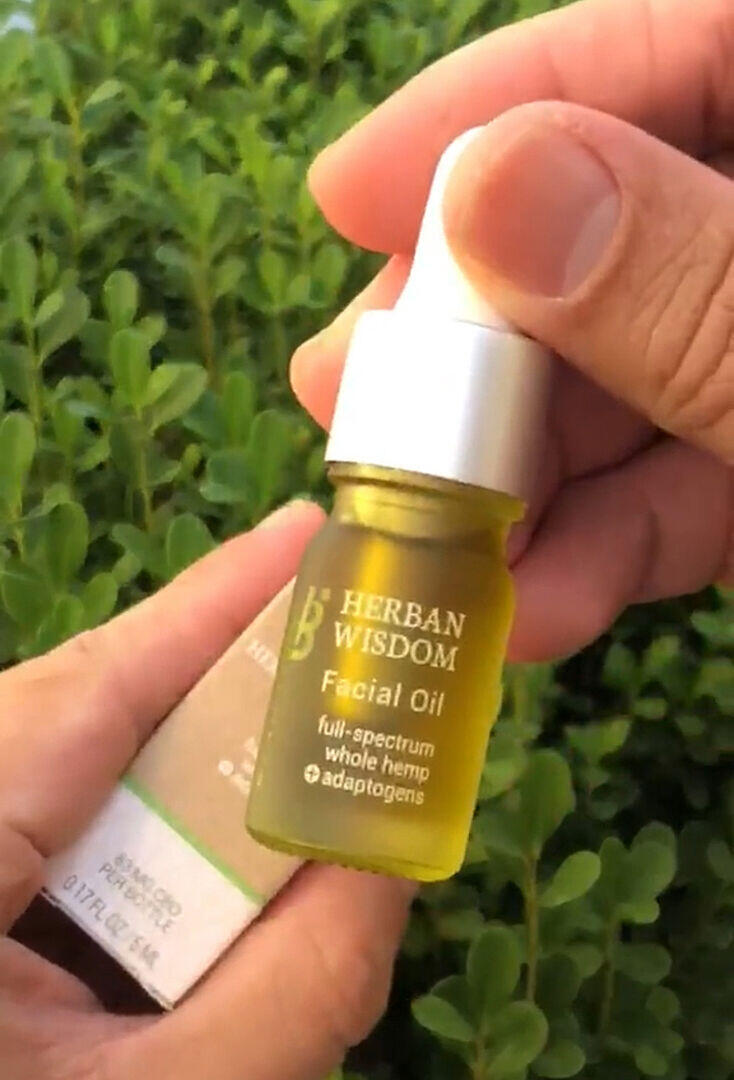
🌿 Humanist Beauty Herban Wisdom Facial Oil
🔗 https://humanistbeauty.com/products/herban-wisdom-facial-oil
A nutrient-rich, adaptogen-infused oil that helps:
- Calm inflammation
- Restore hydration
- Strengthen the barrier
- Support skin resilience under stress
This isn’t just skincare—it’s skin therapy for overstimulation.
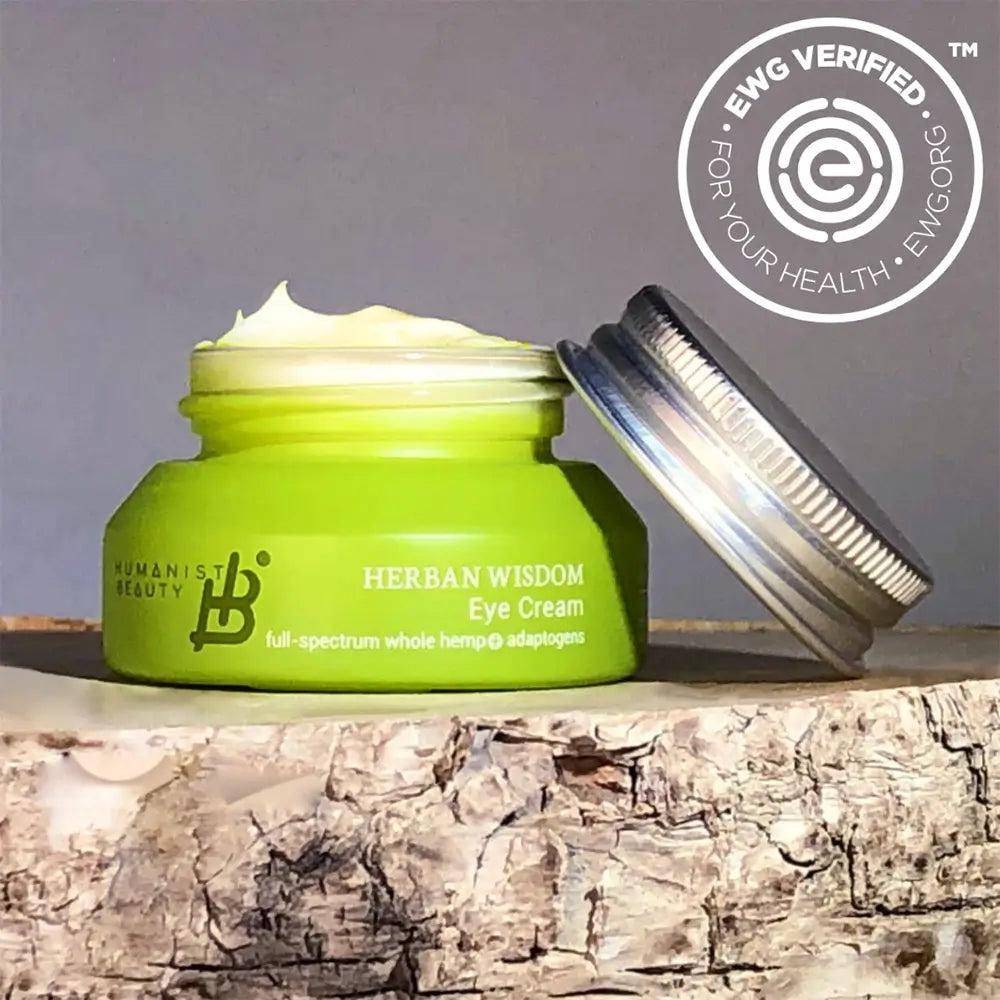
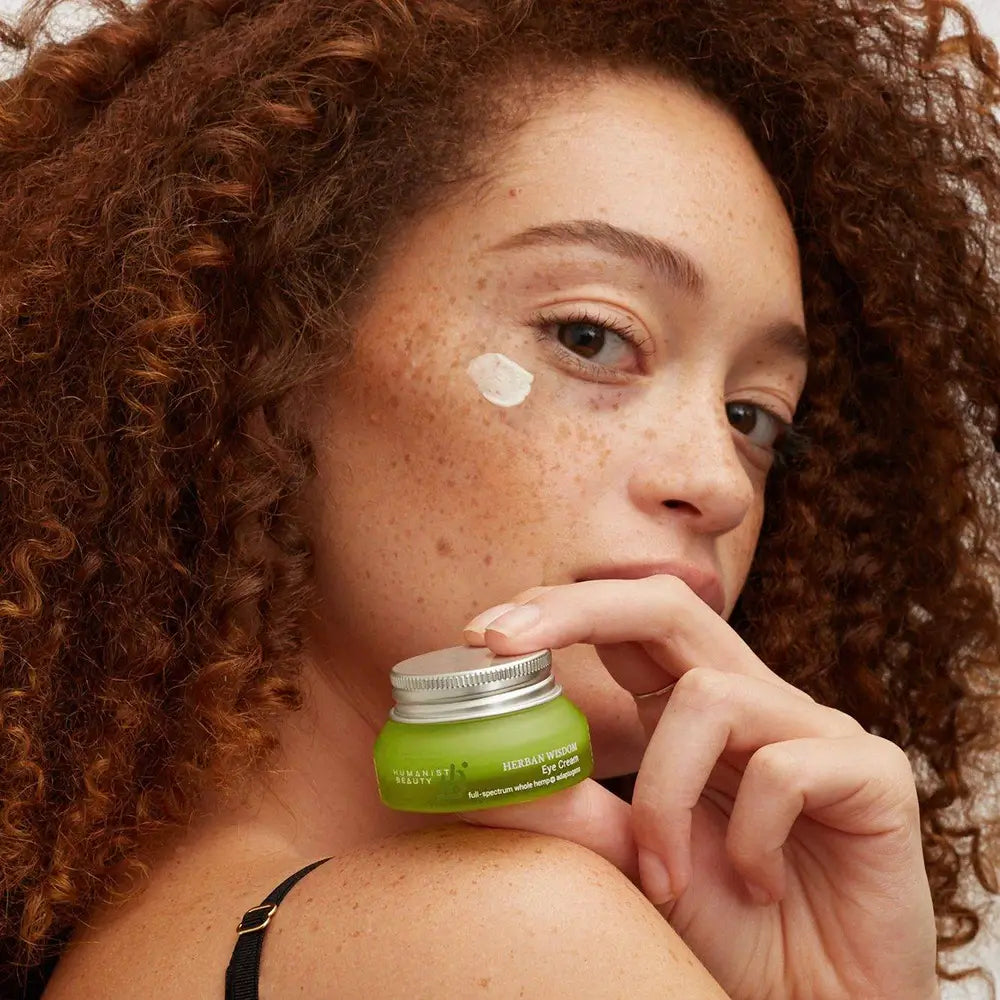
🌿 Humanist Beauty Herban Wisdom Eye Cream
🔗 https://humanistbeauty.com/products/herban-wisdom-eye-cream
Designed for the most stress-sensitive area of your face:
- Reduces puffiness and dark circles
- Supports microcirculation
- Softens fine lines caused by tension and fatigue
Because the eyes are often where stress whispers first.
The Deeper Truth: Beauty Is Regulation
Here’s the part no one says loudly enough:
You cannot out-serum a dysregulated nervous system.
You can have the best products in the world—but if your body is constantly in survival mode, your skin will reflect it.
And the inverse is also true:
When you feel safe…
When you breathe deeply…
When your body trusts that it can rest…
Your skin begins to glow in a way that feels almost spiritual.
A New Definition of Beauty
Real beauty is not:
- flawless
- filtered
- forced
Real beauty is:
- regulated
- nourished
- alive
It’s the radiance of a body that feels safe enough to soften.
A Gentle Invitation
Instead of asking,
“How do I fix my skin?”
Try asking,
“What is my body asking for?”
More rest?
More support?
More gentleness?
Because the most powerful beauty ritual isn’t another product.
It’s learning how to come back to yourself.