Simple Daily Rituals That Soothe Your Stress Response and Transform Your Skin
There’s a moment—quiet, subtle, often ignored—when burnout stops being emotional and starts becoming visible.
It shows up in your reflection.
In the dullness that wasn’t there before.
In the breakout that doesn’t quite make sense.
In the tiredness your concealer can’t quite hide.
Because your skin isn’t separate from your life.
It’s in conversation with it.
The Truth: Stress Is a Skin Condition
Modern science has made something very clear: stress doesn’t just affect your mood—it reshapes your biology.
When your body perceives stress, it releases cortisol, the primary stress hormone. Your skin has receptors for it, which means it responds in real time.
Here’s what happens beneath the surface:
- Increased inflammation
- Disrupted skin barrier
- Slower healing
- More oil production
- Collagen breakdown
(University of Utah Healthcare)
According to dermatologist Keira Barr MD, FAAD:
“Stress can cause increased inflammation, slow wound healing, and worsen skin conditions.” (American Academy of Dermatology)
And researchers at Harvard Health Publishing explain that both acute and chronic stress can exacerbate conditions like acne, eczema, and psoriasis while weakening the skin barrier. (Harvard Health)
Dermatologist Dr. Whitney Bowe explains it this way:
“The skin is often a direct indicator of internal stress and imbalance.” — Medium
So if your skin looks overwhelmed…
it’s often because your nervous system is.
The Shift: From Survival Mode to Repair Mode
Your body has two primary states:
- Fight-or-flight (stress mode)
- Rest-and-repair (healing mode)
When you’re constantly in stress mode:
- Blood flow prioritizes survival—not skin glow
- Repair slows down
- Inflammation rises
But when you shift into calm?
Everything changes.
- Circulation improves → natural radiance
- Inflammation drops → clearer skin
- Hydration stabilizes → smoother texture
- Collagen is preserved → youthful elasticity
Radiance, it turns out, is not something you apply.
It’s something your body produces when it feels safe.
The Rituals That Change Everything
This isn’t about adding more to your plate.
It’s about shifting how you move through your day.
Small rituals. Done consistently.
They regulate your nervous system—and your skin follows.
🌿 1. Start Your Day with Nervous System Nutrition
Before coffee. Before emails. Before the world rushes in.
Support your body.
Adaptogenic beverages like 8 Billion are designed to help regulate stress at the source—your nervous system.
Adaptogens (like ashwagandha, reishi, and ginseng) help your body adapt to stress rather than stay stuck in it.
According to dermatology research:
“Adaptogens help the body respond to stress… they’re supportive.” (U.S. Dermatology Partners)
They work by:
- Balancing cortisol levels
- Reducing inflammation
- Supporting resilience at a cellular level
Which means your glow starts long before skincare.
🌿 2. Turn Skincare Into a Regulating Ritual
Your skincare routine isn’t just cosmetic—it’s neurological.
Slow application. Deep breathing. Gentle touch.
These signals tell your body: you are safe.
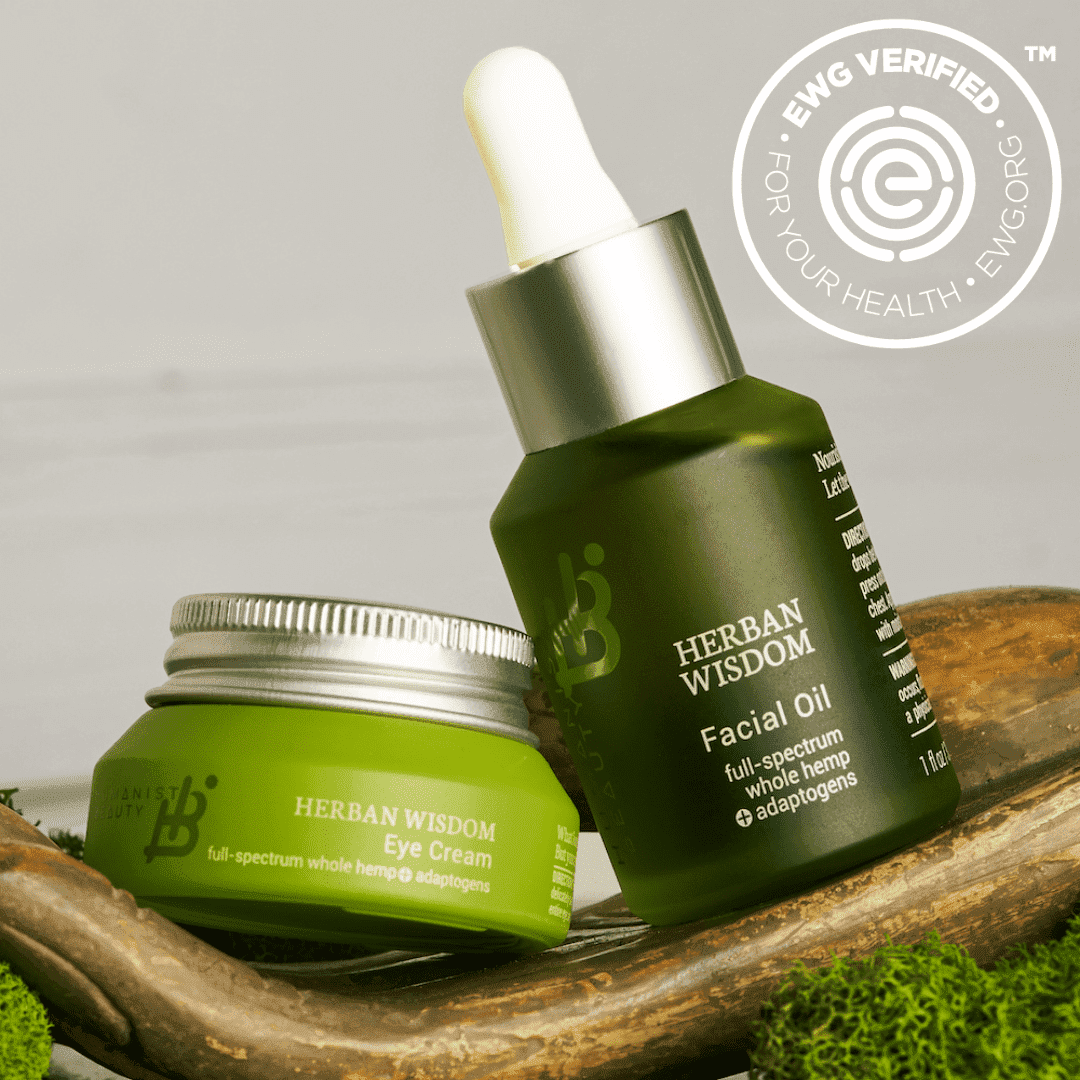
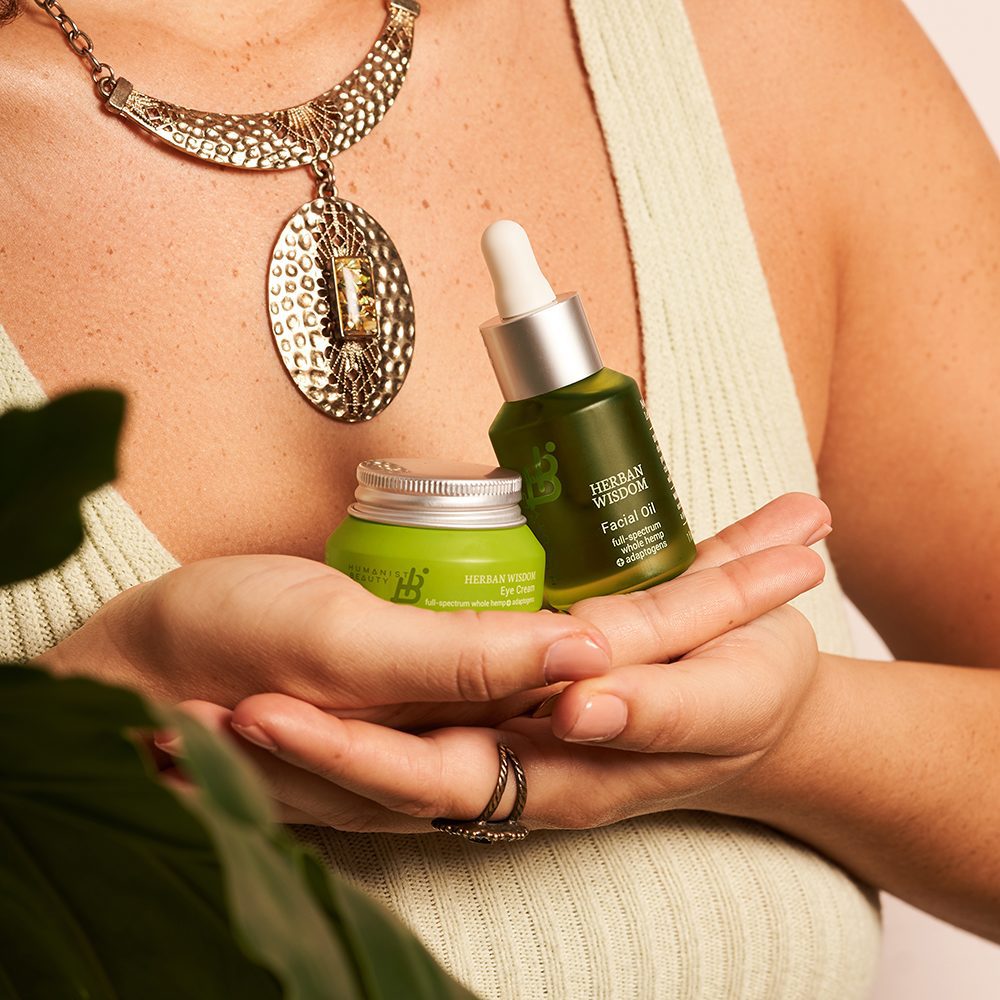
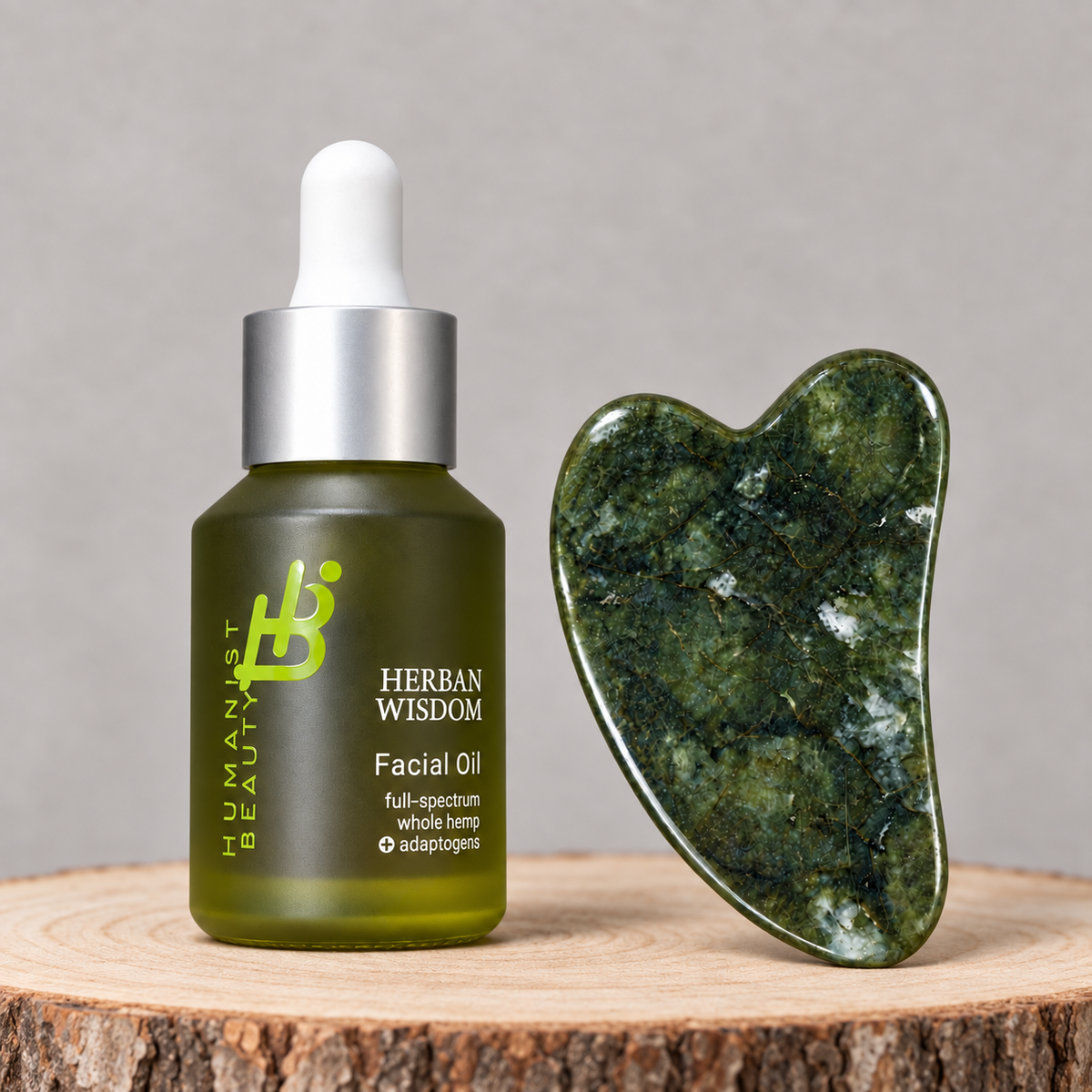
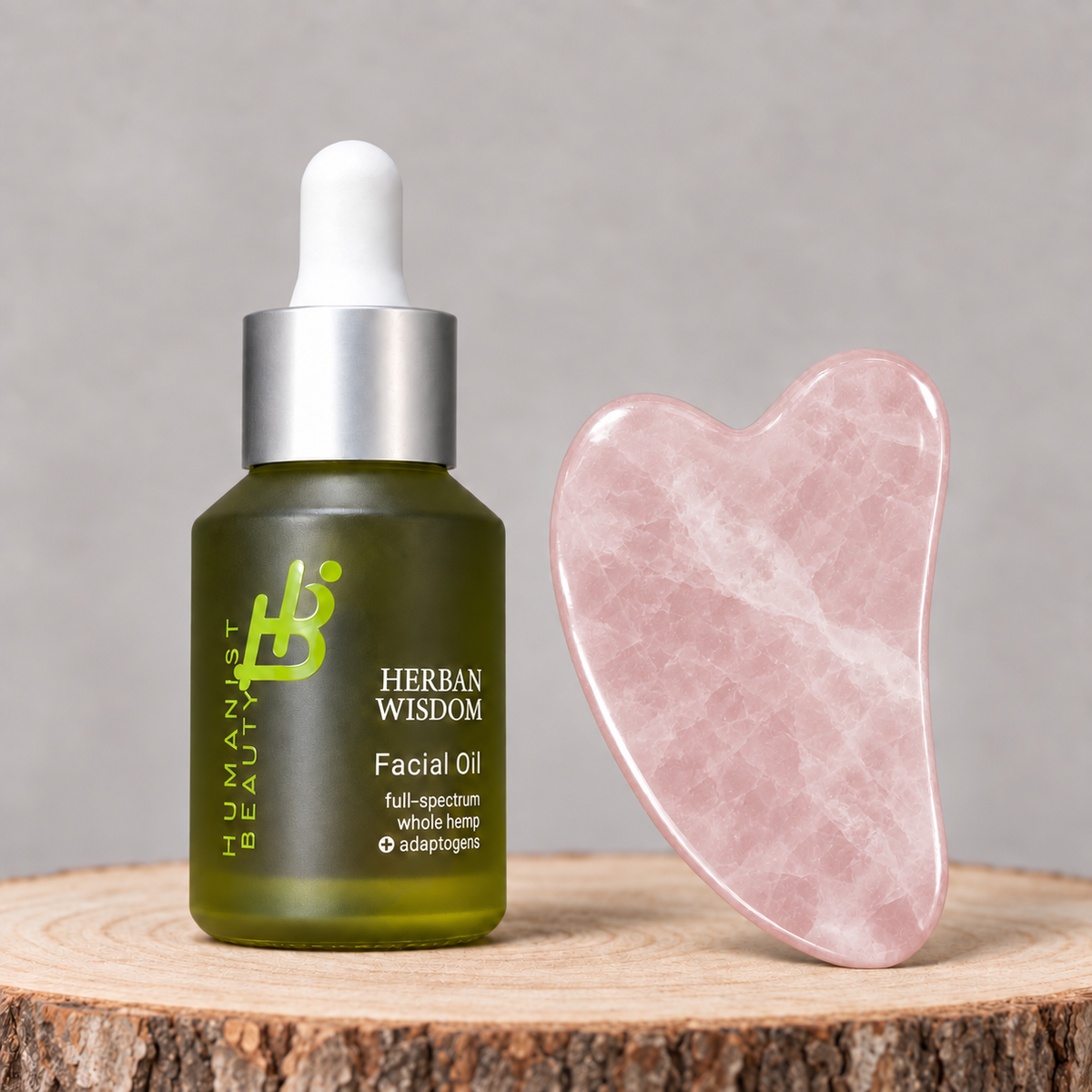
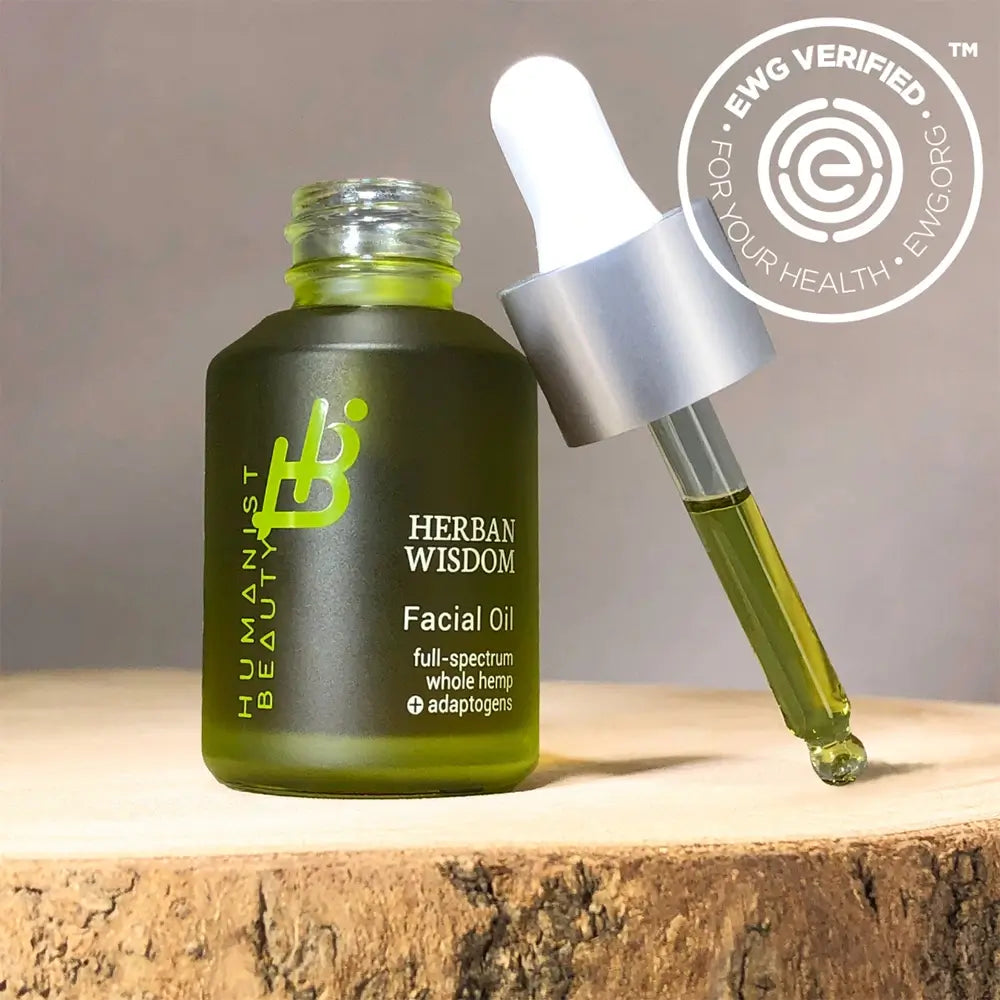
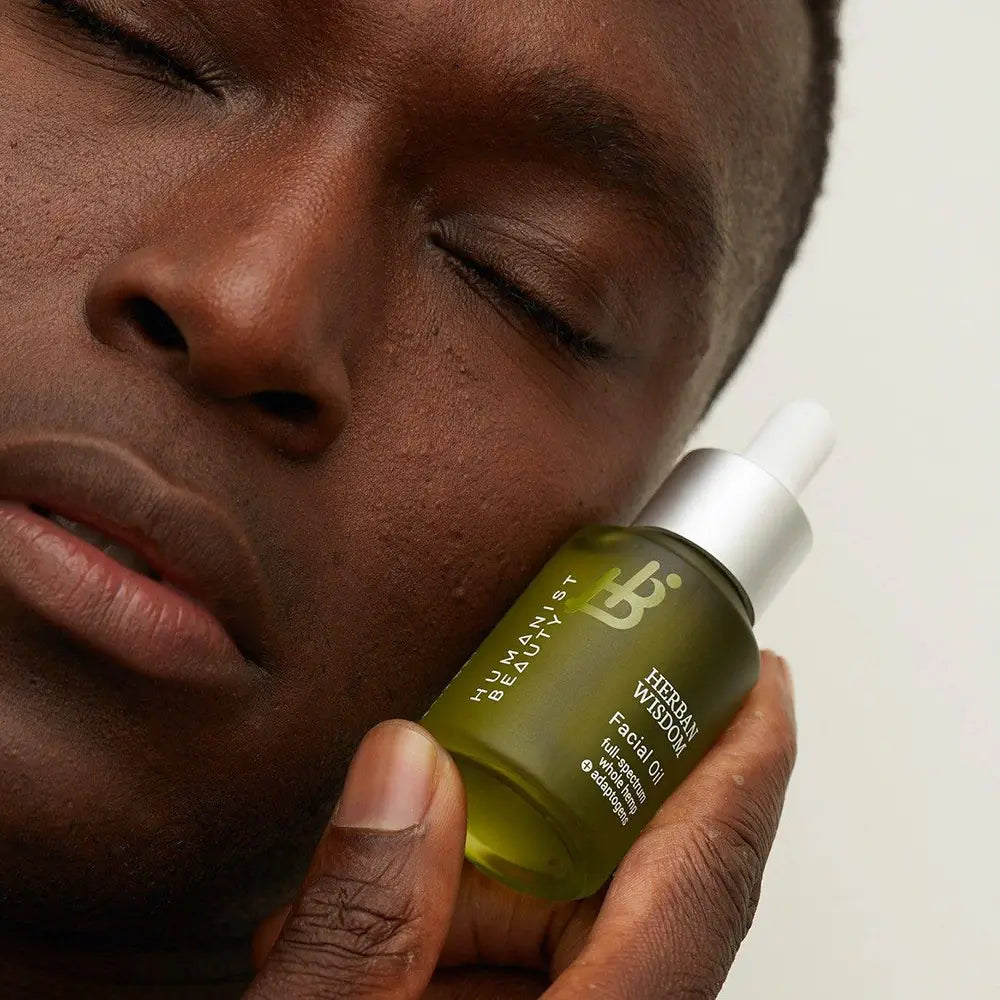
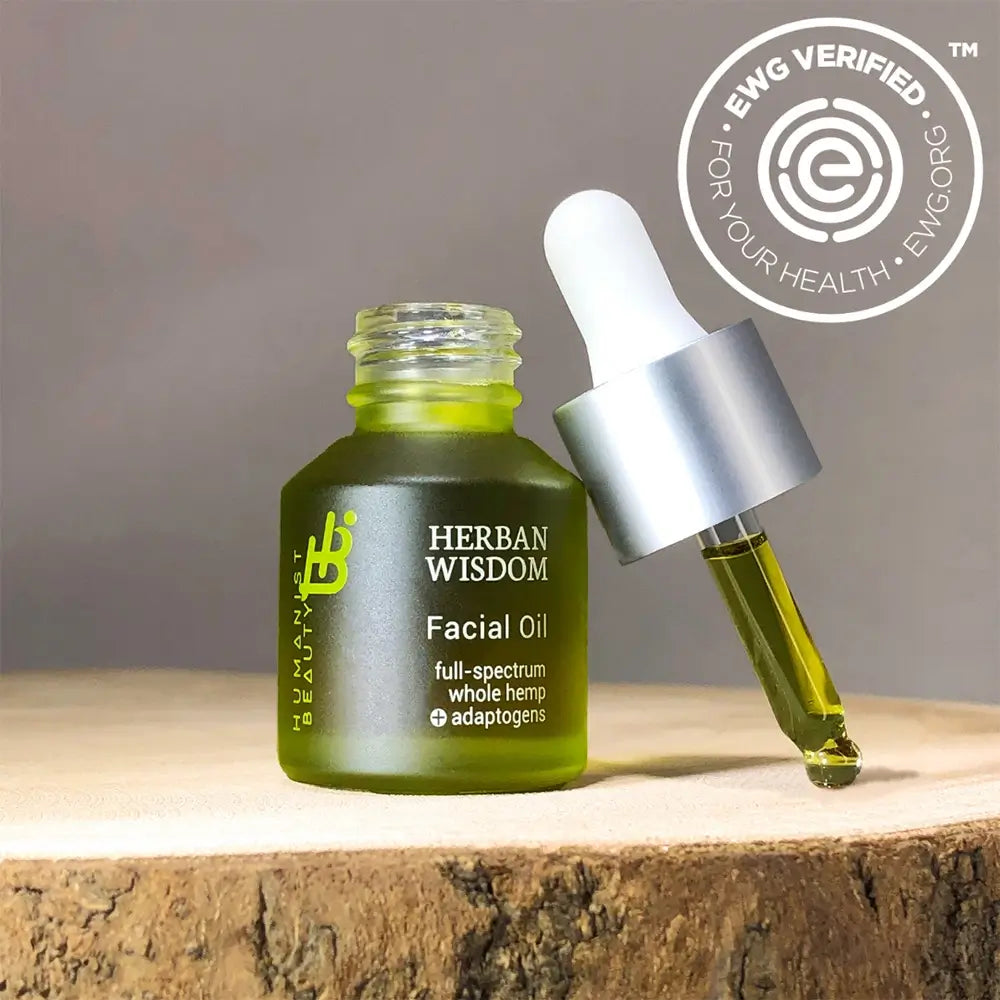
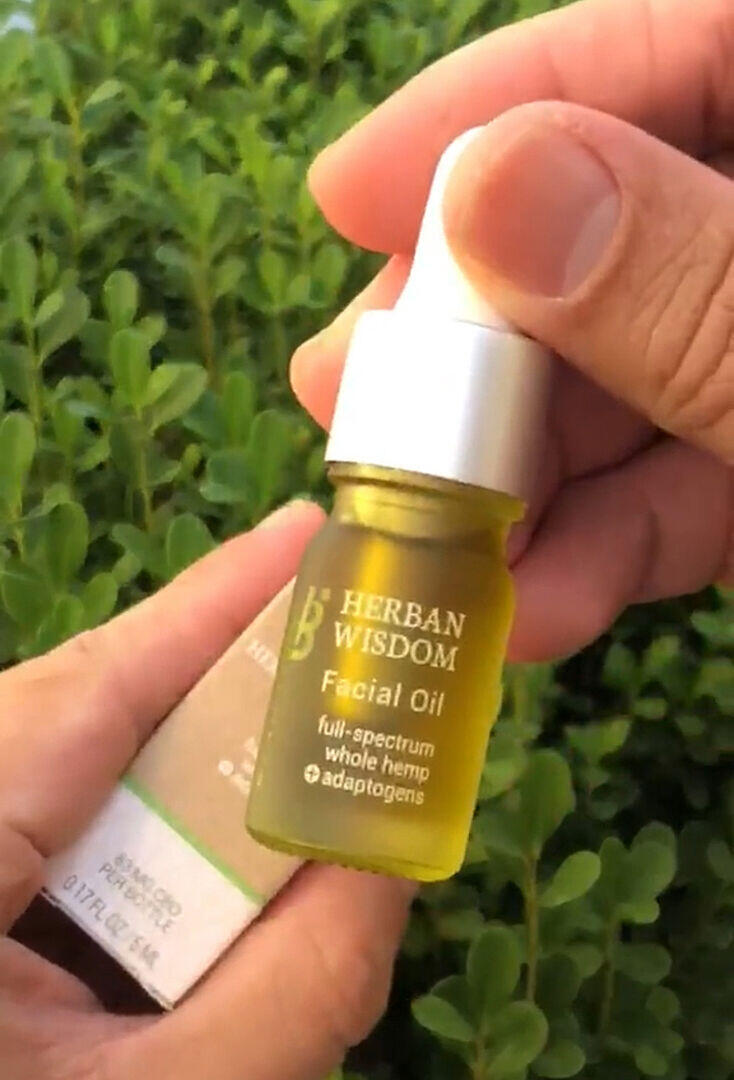
✨ Humanist Beauty Herban Wisdom Facial Oil
🔗 https://humanistbeauty.com/products/herban-wisdom-facial-oil
This adaptogen-infused oil helps:
- Calm inflammation
- Strengthen the skin barrier
- Restore hydration under stress
Think of it as nourishment for skin that’s been “on edge.”
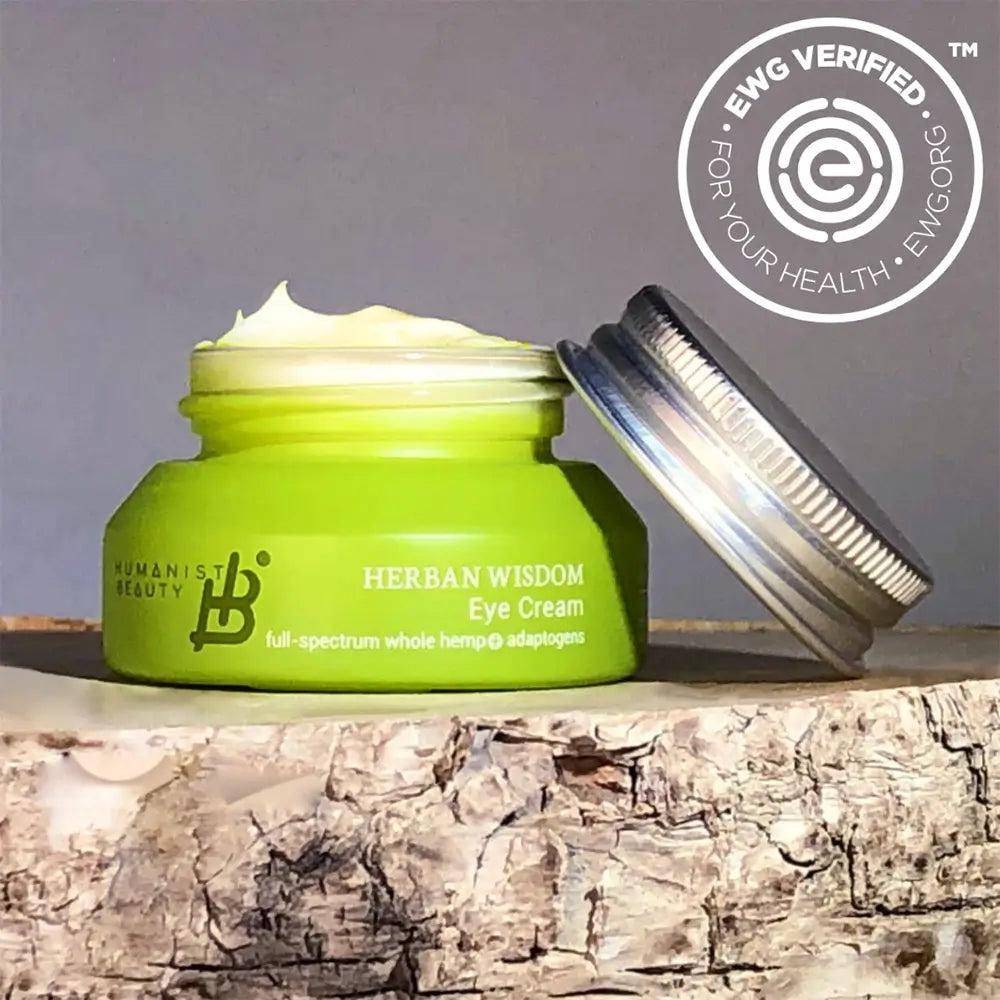
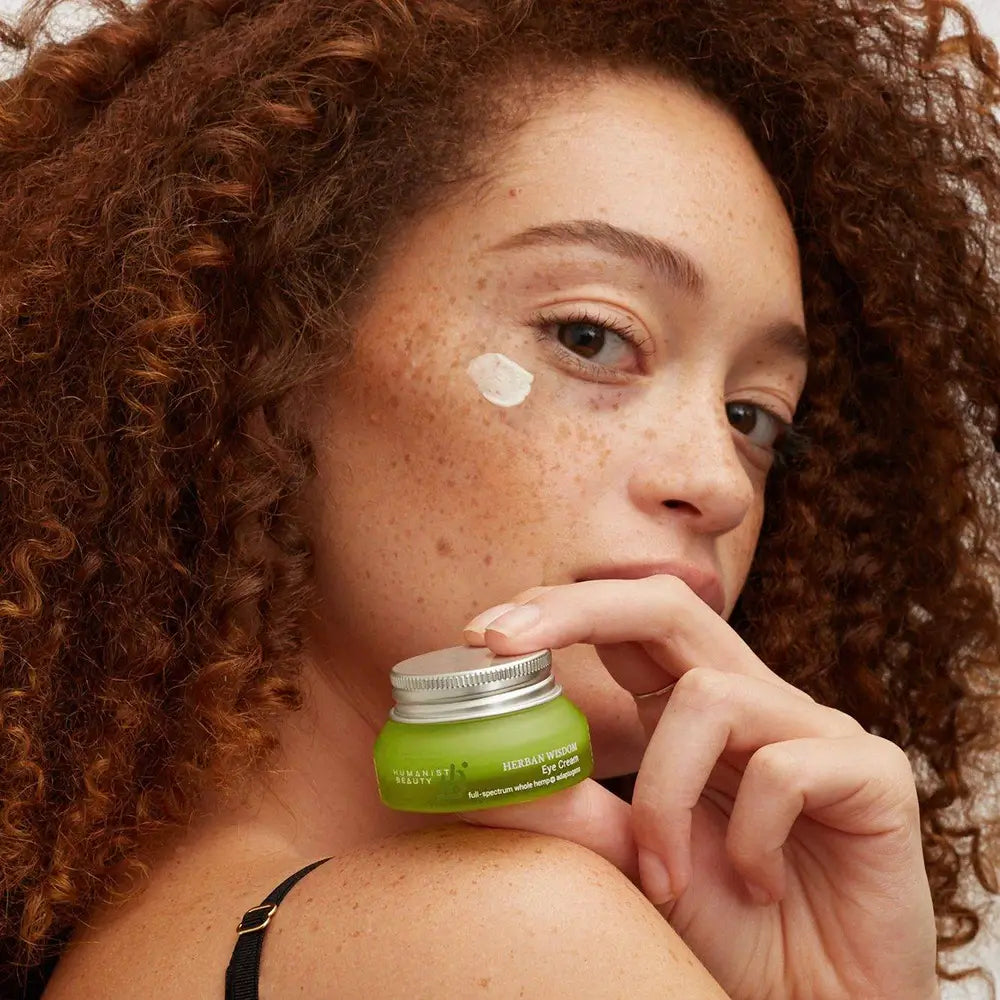
✨ Humanist Beauty Herban Wisdom Eye Cream
🔗 https://humanistbeauty.com/products/herban-wisdom-eye-cream
The eye area is often the first place stress appears.
This formula helps:
- Reduce puffiness caused by cortisol-related fluid retention
- Improve circulation
- Smooth fine lines linked to fatigue
Because sometimes exhaustion shows up before you even feel it.
🌿 3. Midday Reset: Interrupt the Stress Loop
Stress compounds when it goes uninterrupted.
So interrupt it.
Even 2–5 minutes can shift your physiology:
- Deep breathing (4–6 breaths per minute)
- Stepping outside for sunlight
- Gentle stretching
These micro-resets reduce cortisol and bring your body back into balance.
And yes—your skin notices.
🌿 4. Evening Ritual: Signal Safety to Your Body
Your skin does most of its repair at night.
But only if your body feels safe enough to repair.
Create a transition:
- Dim lighting
- Limit stimulation
- Apply skincare slowly, intentionally
This isn’t indulgence.
It’s biological signaling.
🌿 5. Sleep: The Most Underrated Beauty Treatment
Chronic stress disrupts sleep—and poor sleep worsens skin health.
This cycle is real.
When you sleep well:
- Skin repairs faster
- Collagen production increases
- Dark circles and inflammation decrease
When you don’t:
- Cortisol rises
- Circulation drops
- Skin looks dull, tired, and uneven
Beauty sleep isn’t a cliché.
It’s cellular science.
Adaptogens: The Bridge Between Stress and Skin
Adaptogens are one of the most powerful tools we have because they don’t just treat symptoms—they regulate the stress response itself.
They support your skin in four key ways:
- Reduce inflammation
- Strengthen the skin barrier
- Protect against environmental stressors
- Improve hydration and resilience
In other words:
They don’t force beauty.
They create the conditions for it.
The Real Transformation
Burnout doesn’t just exhaust you.
It disconnects you from your body.
And your skin reflects that disconnection.
Radiance, on the other hand, is reconnection.
It’s what happens when:
- Your nervous system softens
- Your body trusts it can rest
- Your rituals support—not deplete—you
A New Way to Think About Beauty
Not as something to fix.
Not as something to chase.
But as something that emerges when your body feels supported.
So instead of asking:
“How do I make my skin look better?”
Try asking:
“How do I help my body feel safe again?”
Because when you do that—
your skin doesn’t just improve.
It transforms.