Every May, Mental Health Awareness Month invites us into a conversation that is both deeply personal and profoundly collective.
But mental health is not just a campaign.
It is not a hashtag, a diagnosis, or a once-a-year reminder to “check in.”
Mental health is the invisible atmosphere we live inside every single day.
It’s the way your chest tightens before opening an email.
It’s the exhaustion that sleep doesn’t fix.
It’s the pressure to appear fine while quietly unraveling inside.
It’s the ache of loneliness in a hyperconnected world.
It’s the emotional labor of caregiving, parenting, surviving, performing, achieving, adapting.
And sometimes, it’s simply the feeling of forgetting yourself.
In a culture obsessed with productivity, optimization, and image, many people have learned how to function beautifully while suffering silently.
Yet something powerful is happening beneath the surface.
People are beginning to realize that wellness is not about perfection. Beauty is not about flawlessness. Strength is not about never struggling.
Real well-being begins when we stop abandoning ourselves.
This Mental Health Awareness Month, perhaps the greatest act of healing is not becoming someone new — but returning to ourselves with compassion.
The Mental Health Crisis We Can No Longer Ignore
Mental health challenges affect people of every age, background, profession, and income level.
According to the National Alliance on Mental Illness, one in five U.S. adults experiences mental illness each year. Anxiety and depression rates continue to rise, particularly among young adults and teens. Caregivers, parents, healthcare workers, entrepreneurs, and marginalized communities often carry especially heavy emotional burdens.
And while awareness has grown, many people still feel ashamed to admit they are struggling.
Why?
Because we live in a world that often rewards appearance over authenticity.
We are taught to curate our lives instead of processing them. To stay busy instead of staying present. To numb rather than feel.
But emotional suppression does not disappear. It simply relocates.
Sometimes into burnout.
Sometimes into insomnia.
Sometimes into irritability, overwork, isolation, perfectionism, addiction, or chronic stress.
The body keeps score of what the mind tries to outrun.
Mental health is not separate from physical health. It affects the nervous system, immunity, hormones, digestion, sleep, skin, relationships, and even our sense of identity.
This is why self-care cannot merely be aesthetic. It must become emotional, psychological, and spiritual nourishment too.
The Beauty of Slowing Down
There is a quiet kind of wisdom that emerges when we stop rushing long enough to hear ourselves think.
Mindfulness is not about becoming perfectly calm. It is about becoming aware.
Aware of your thoughts.
Aware of your body.
Aware of your emotional landscape.
Aware of what restores you — and what depletes you.
So many people move through life disconnected from themselves because they have spent years in survival mode.
But healing rarely happens in survival mode.
Healing happens in moments of presence.
A deep breath before reacting.
A walk without your phone.
A few minutes of silence before bed.
A skincare ritual performed not out of insecurity, but care.
These small moments matter more than we realize.
They communicate something radical to the nervous system:
“I am safe enough to slow down.”
Why Rituals Matter for Mental Health
Human beings have always relied on rituals to create grounding, meaning, and emotional regulation.
Morning tea. Prayer. Journaling. Lighting candles. Bathing. Meditation. Music. Skincare.
When done intentionally, rituals become anchors.
Not because the act itself magically solves our problems, but because it creates space for reconnection.
A mindful ritual interrupts autopilot.
It reminds us that we are not machines.
At Humanist Beauty, beauty is viewed through this lens: not as a pursuit of perfection, but as a pathway back to humanity.
The philosophy behind the brand is that beauty should never prey upon insecurity. Instead, it should support well-being, mindfulness, compassion, and authentic self-connection.
That changes everything.
Because when skincare becomes an act of presence rather than criticism, the mirror stops being a battlefield.
It becomes a place of compassion.
A Mindful Morning Ritual for Emotional Well-Being
Mental health is shaped not only by major life events, but also by the emotional tone of our everyday routines.
How we begin the day matters.
Instead of immediately reaching for notifications, headlines, or stress, consider creating a slower, more intentional start.
Here is a simple mindful morning ritual inspired by nervous system regulation and emotional grounding.
1. Begin Before the World Enters
Before checking your phone, place one hand on your heart and take three slow breaths.
Not rushed breaths. Not performative breaths.
Real ones.
Notice how your body feels.
Notice your emotional state without judgment.
Ask yourself:
“What do I need today?”
Not what you need to accomplish.
What you need as a human being.
2. Create a Sensory Moment
The nervous system responds powerfully to sensory cues.
Warm water. Botanical scents. Soft textures. Gentle touch.
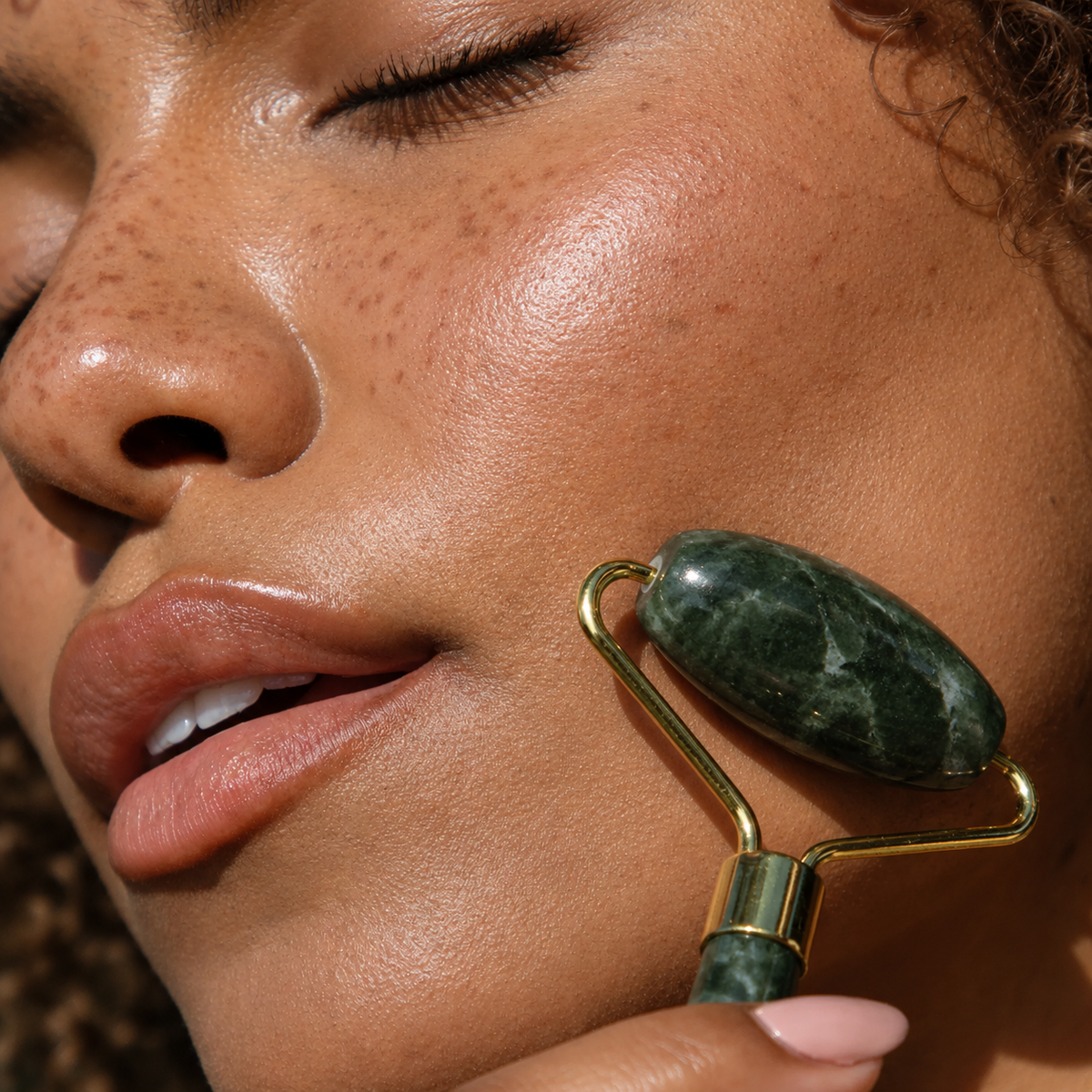
A mindful skincare ritual can become a surprisingly healing emotional experience when approached with intention.
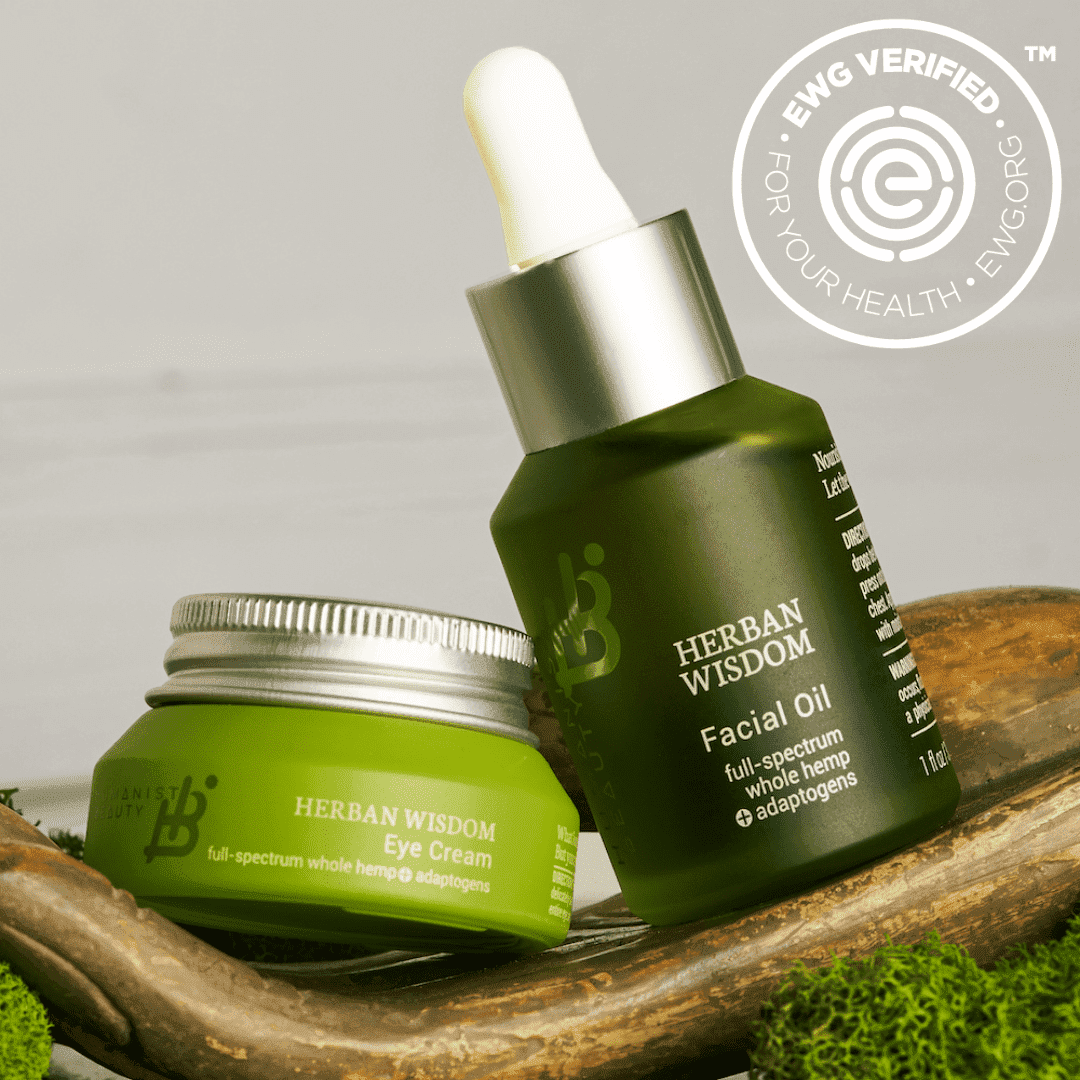
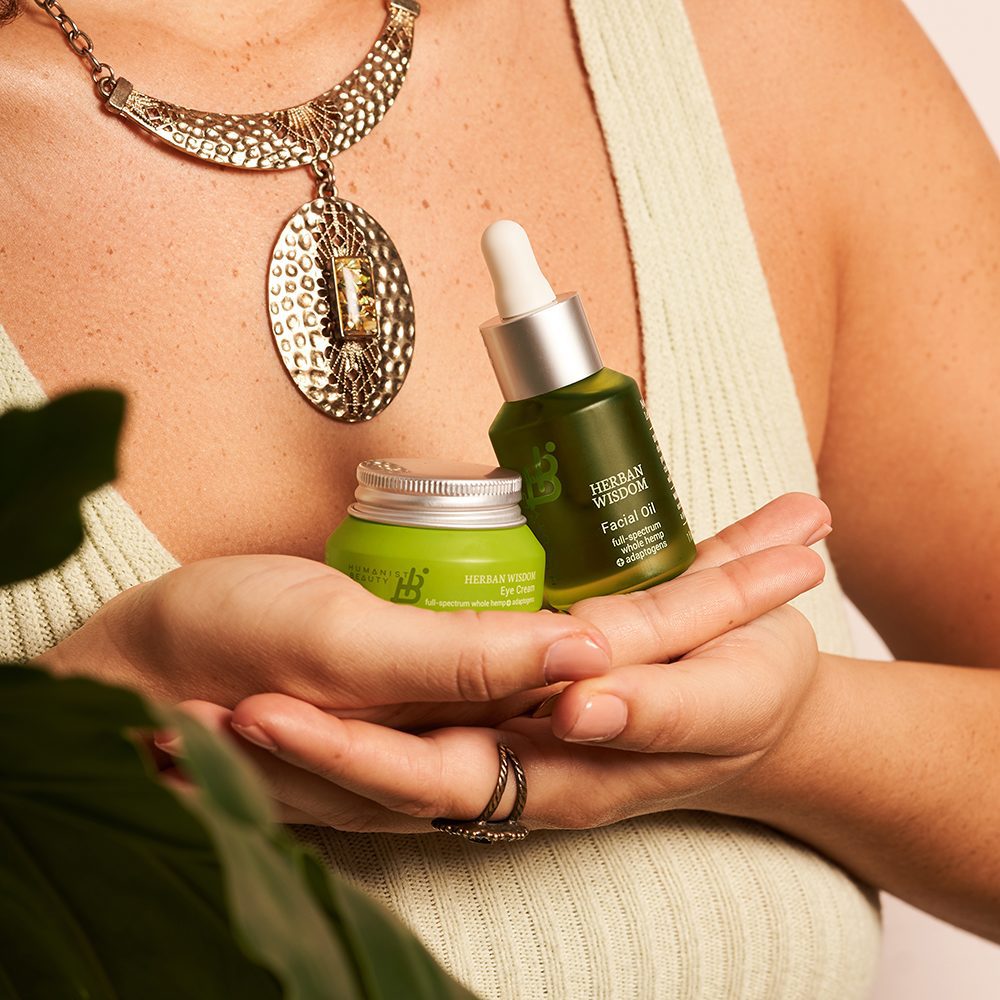
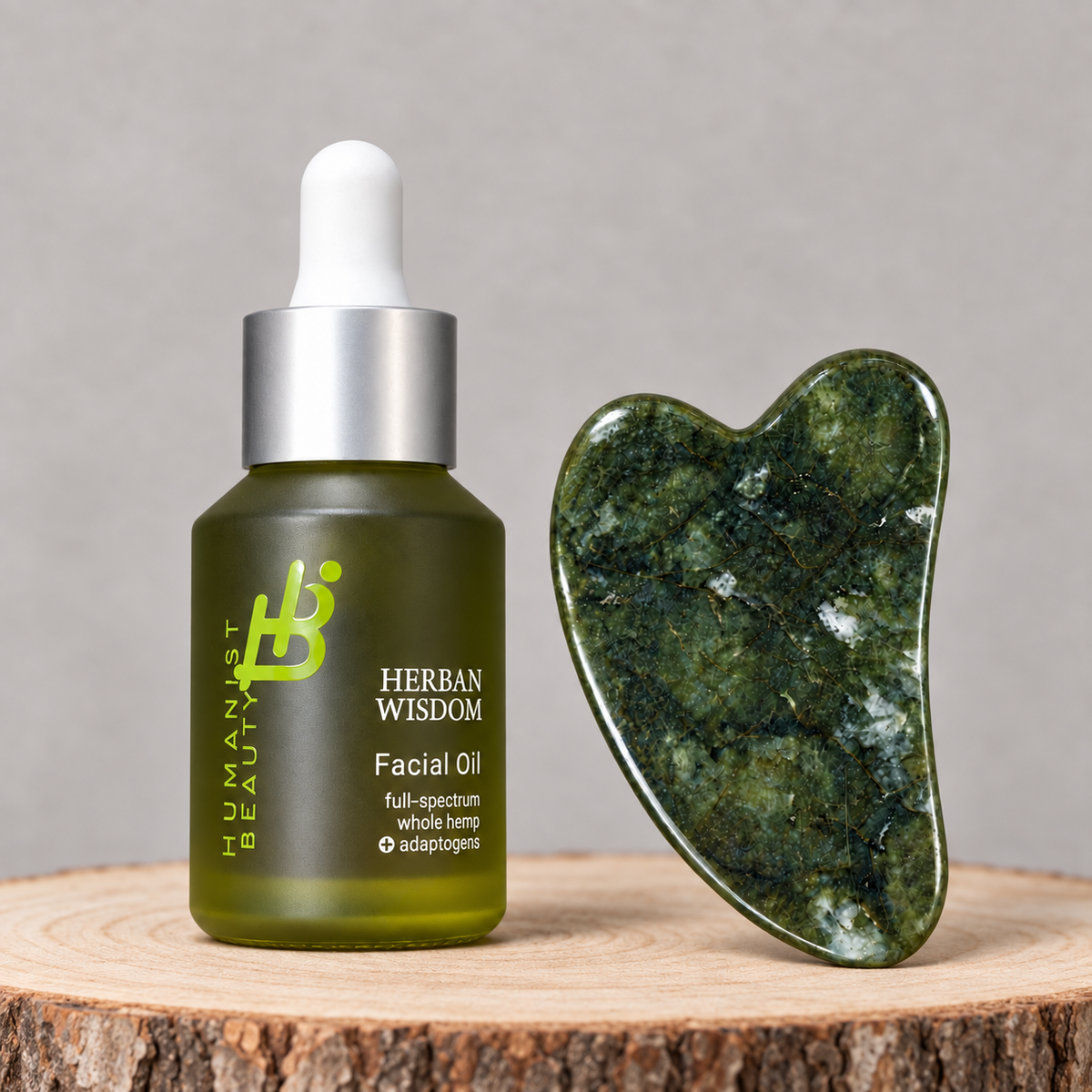
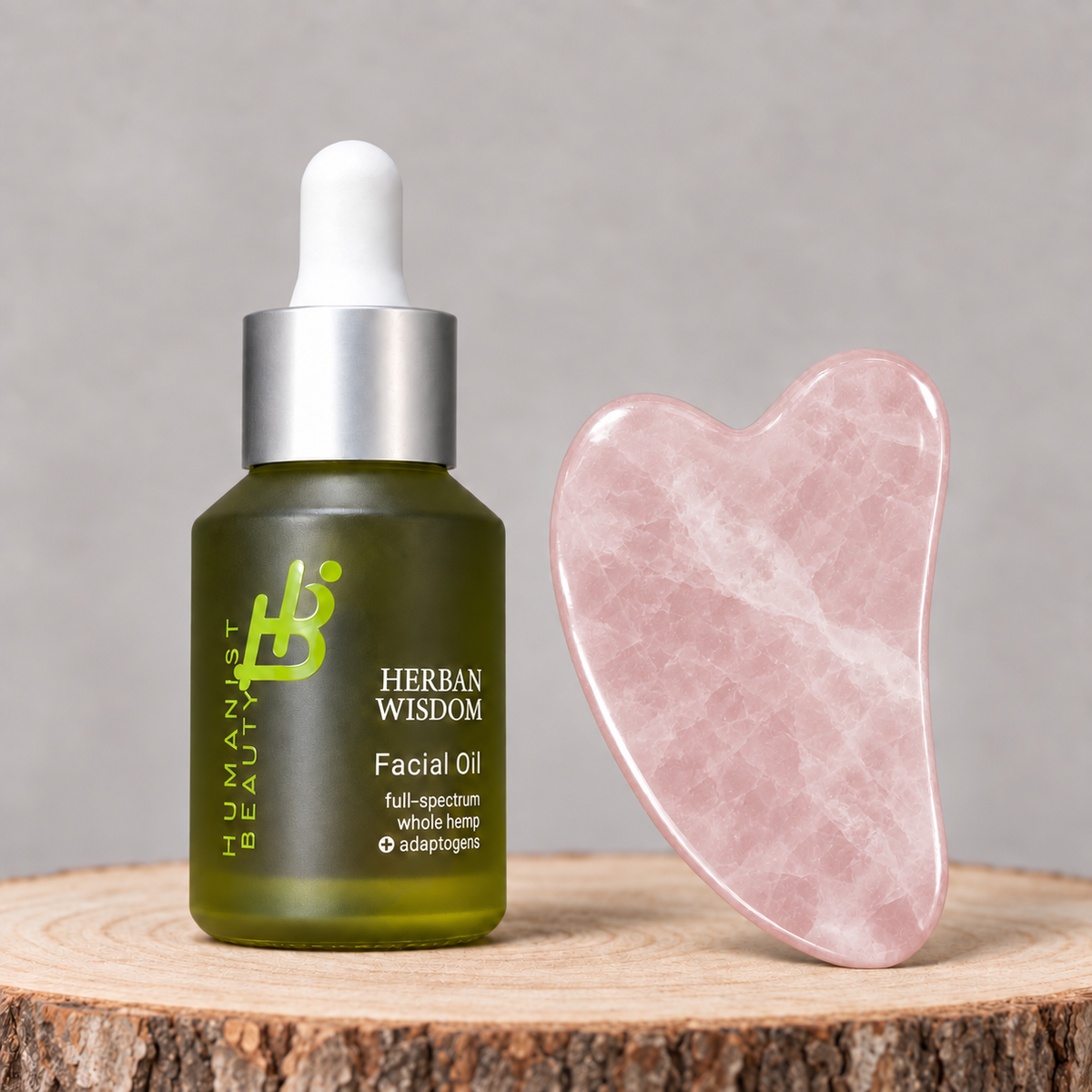
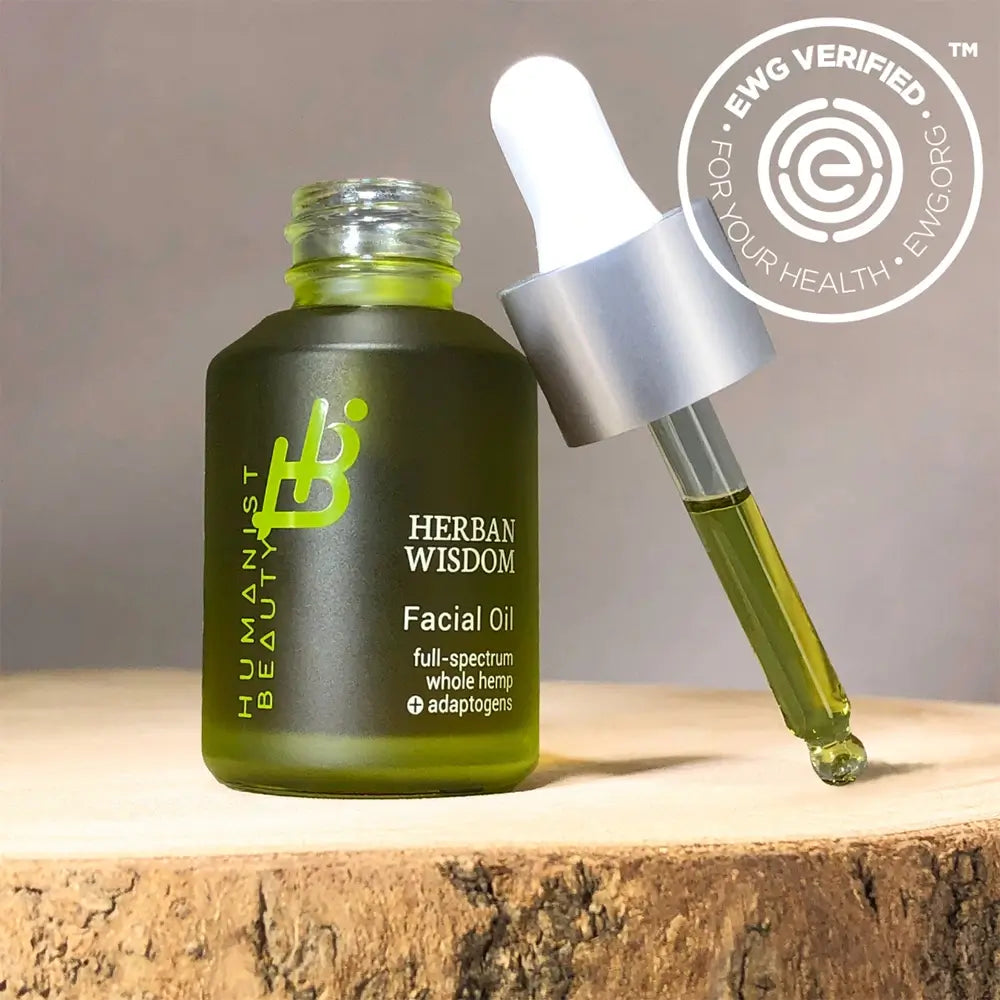
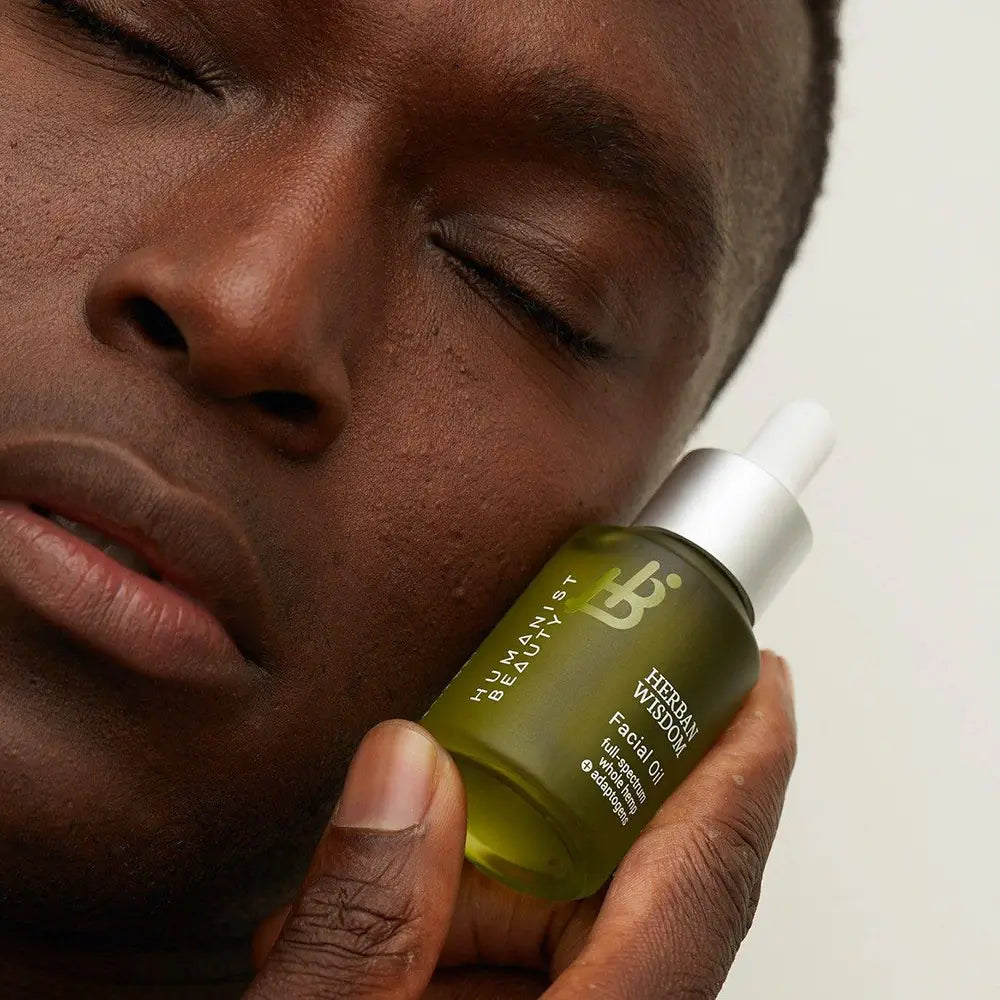
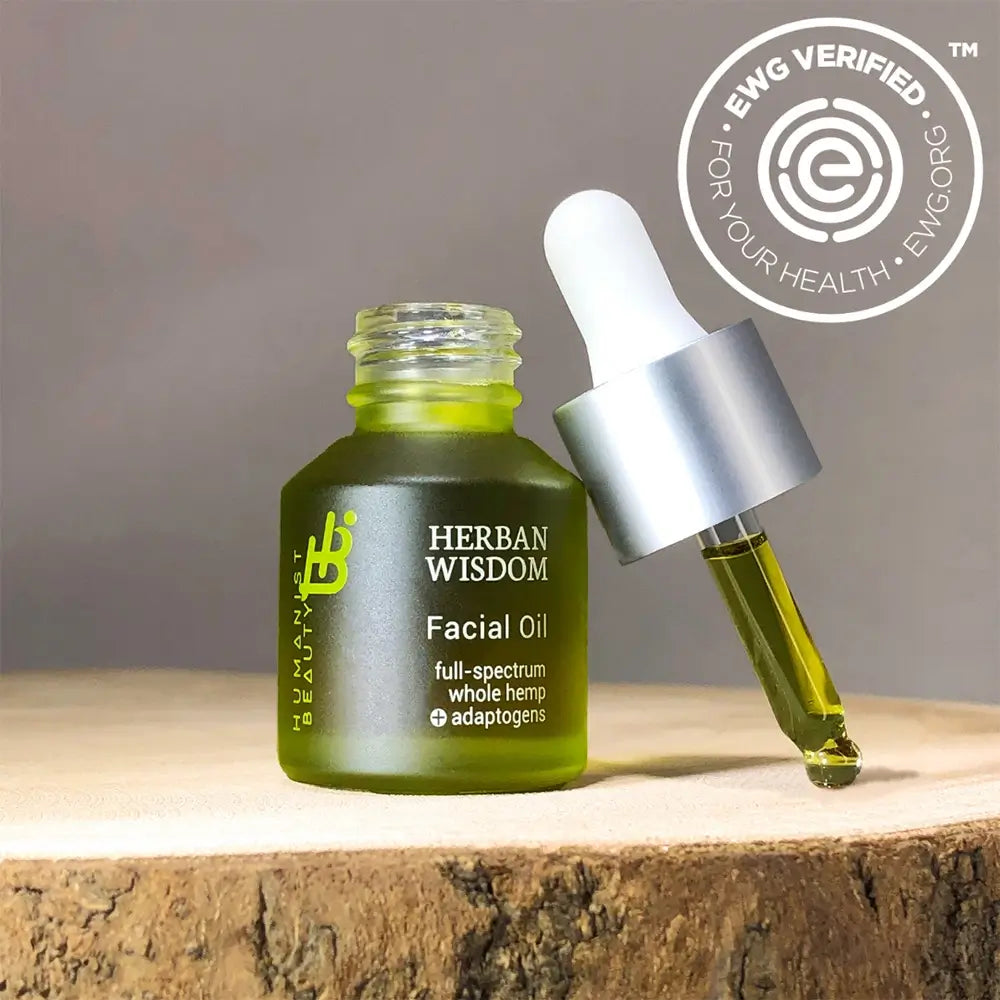
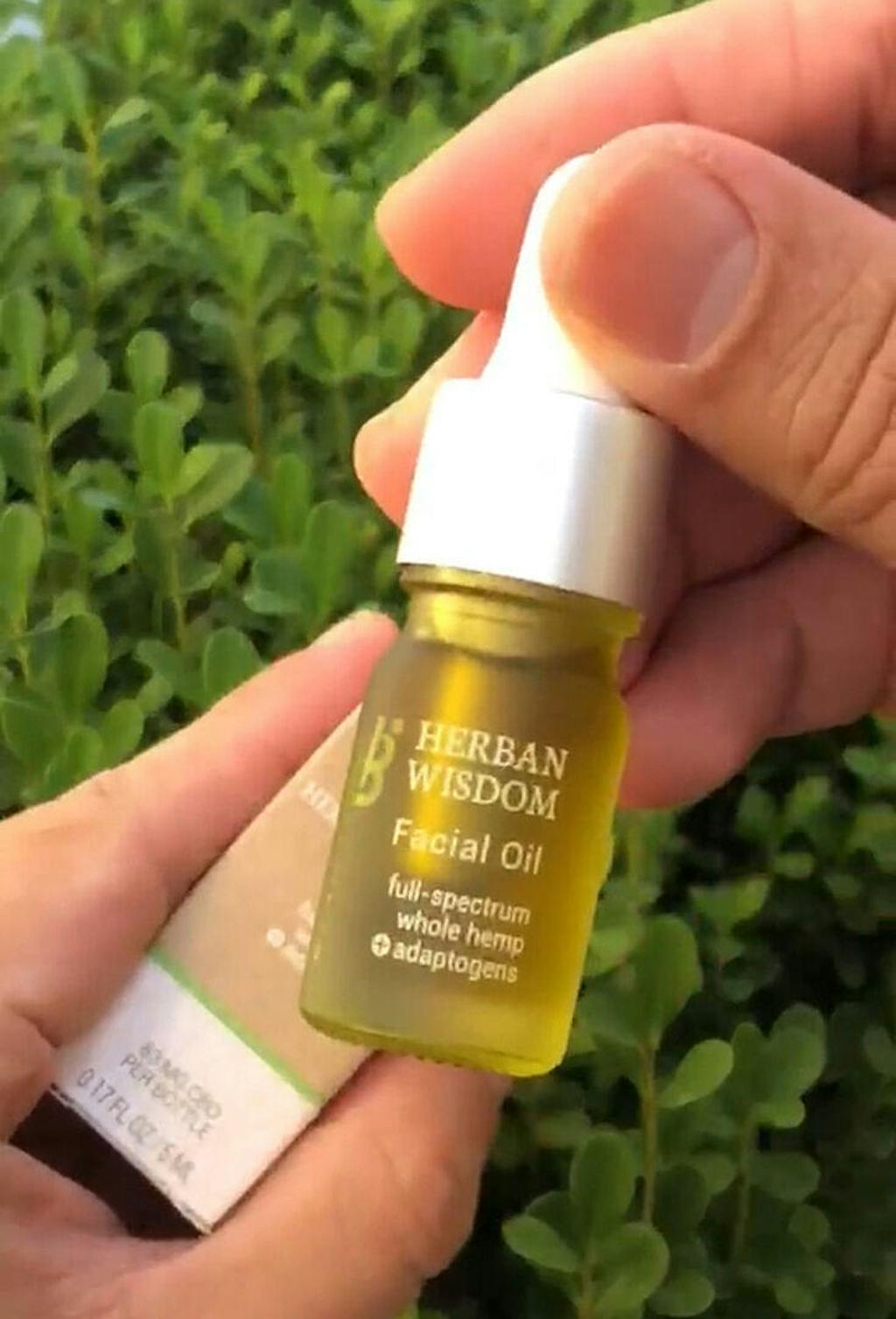
Using products like Humanist Beauty Herban Wisdom Facial Oil allows the ritual to become more than skincare. The blend of botanical oils encourages slowing down, massaging the face gently, and reconnecting to the body with care rather than critique.
Instead of scanning for flaws, try softly thanking your face for everything it expresses: joy, resilience, grief, laughter, survival.
That shift alone can be transformative.
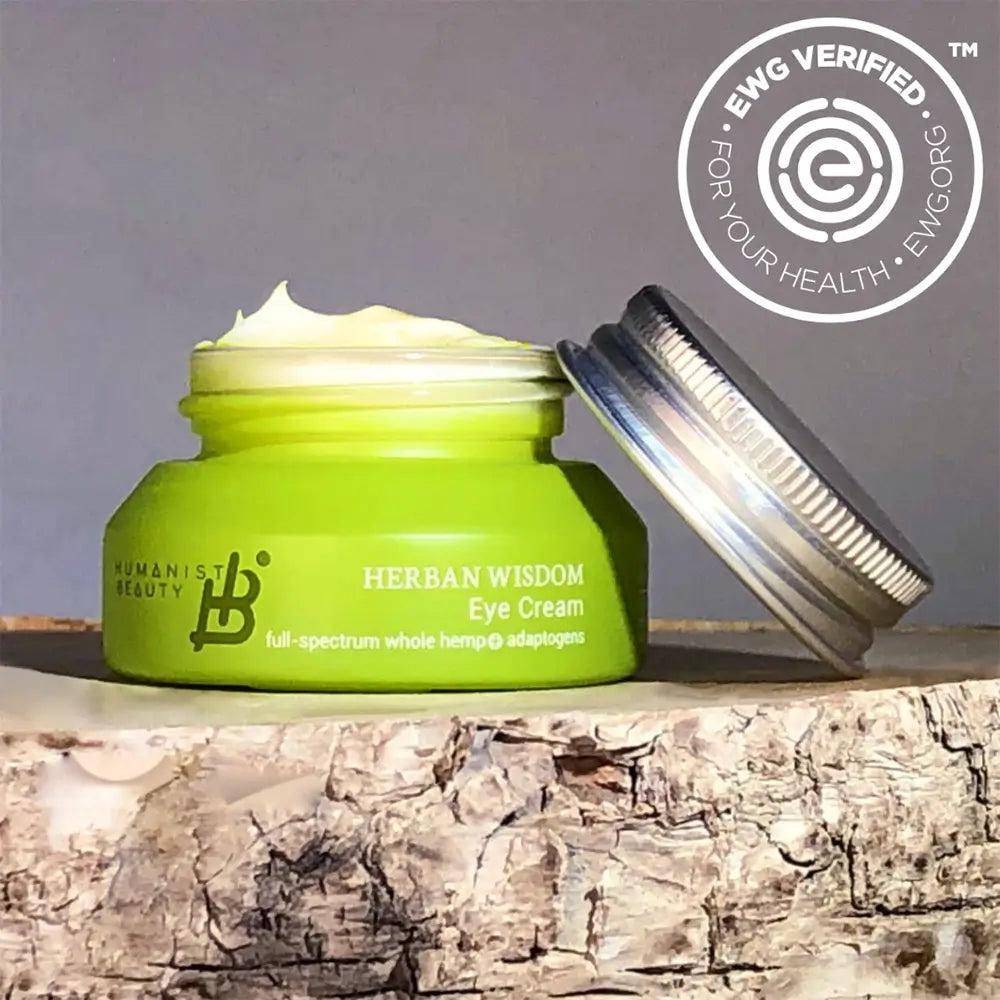
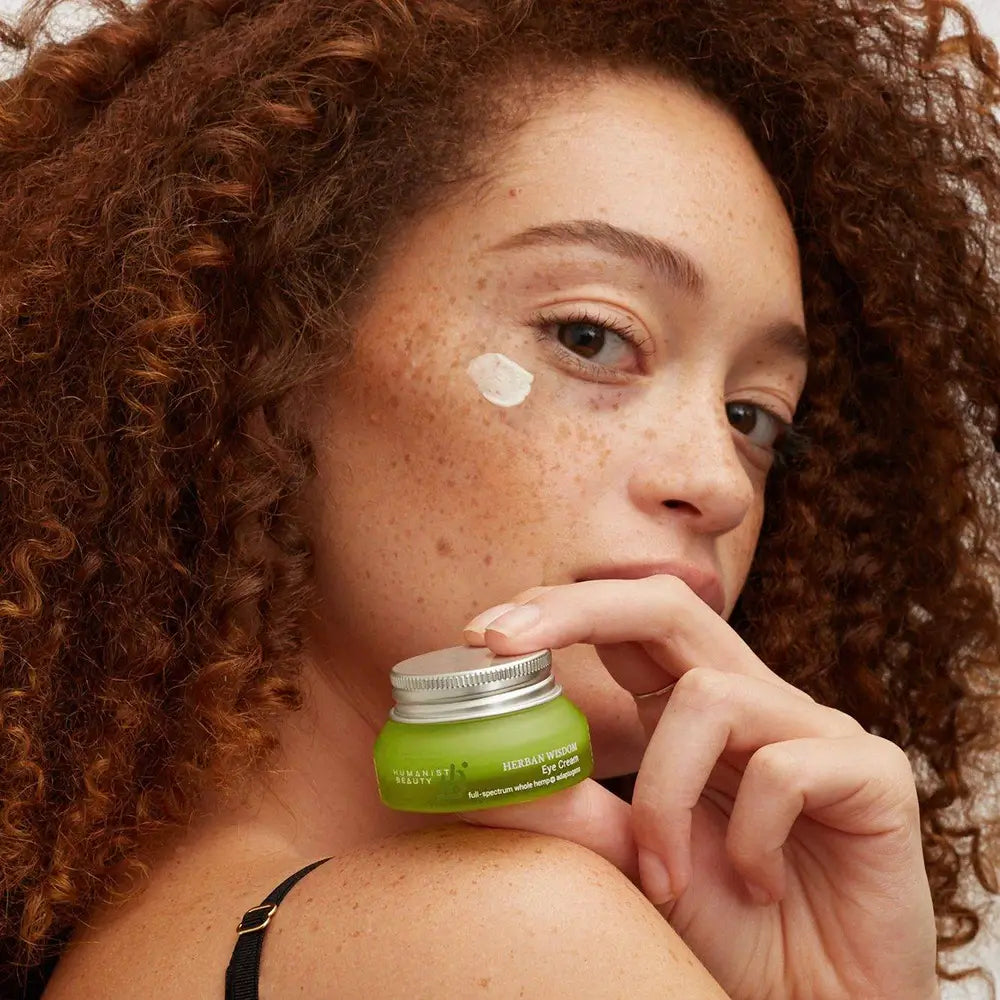
Pair it with the Humanist Beauty Herban Wisdom Eye Cream as a reminder that rest matters. Your eyes carry stress, fatigue, tears, overstimulation, and endless screen time. Caring for them intentionally becomes symbolic too.
You are worthy of gentleness.
3. Set an Emotional Intention
Most people create to-do lists. Fewer create emotional intentions.
Try choosing one word for the day:
Grounded.
Present.
Compassionate.
Peaceful.
Courageous.
Soft.
Focused.
Allow that word to become your compass when stress appears.
The Connection Between Stress and the Skin
The skin is often a visible reflection of internal stress.
Chronic stress can contribute to inflammation, breakouts, dullness, dehydration, sensitivity, and accelerated aging. Elevated cortisol levels affect sleep quality, collagen production, and immune function.
But beyond biology, stress changes how we inhabit ourselves.
When overwhelmed, people often stop caring for themselves consistently. Rituals disappear. Rest becomes secondary. Nourishment becomes rushed.
This is why mindfulness-based self-care is so important.
Not because a product can “fix” mental health, but because intentional rituals can support emotional regulation, embodiment, and restoration.
Beauty alone cannot heal burnout.
But mindful care can become part of healing.
Five Mindful Practices That Support Mental Health
1. Create “Micro Moments” of Presence
You do not need an hour-long meditation retreat to support your mental health.
Tiny moments count.
Sip your coffee without scrolling.
Stand in sunlight for sixty seconds.
Stretch between meetings.
Pause before responding to stressful messages.
These small acts teach the nervous system that life is not only urgency.
2. Protect Your Inner Environment
We often discuss environmental toxins, but emotional toxins matter too.
Constant outrage cycles. Doomscrolling. Comparison culture. Relentless negativity.
Your mind deserves boundaries.
Curate what enters your consciousness the same way you would curate what enters your body.
Not from avoidance — from discernment.
3. Normalize Rest Without Guilt
Rest is not laziness.
Rest is biological maintenance.
Many people only allow themselves to rest once they are depleted. But preventative rest is one of the healthiest things we can practice.
The body whispers before it screams.
Listen earlier.
4. Reconnect With Nature
Nature has a regulating effect on the nervous system.
The sound of water. Trees moving in wind. Bare feet on grass. Ocean air. Sunlight filtering through leaves.
These experiences reduce overstimulation and gently return us to ourselves.
Even five mindful minutes outdoors can shift your emotional state.
5. Speak to Yourself Like Someone You Love
So many people maintain an internal dialogue they would never direct toward another human being.
“You’re failing.”
“You’re behind.”
“You should be doing more.”
But healing begins with changing the tone of the conversation within.
Self-compassion is not weakness. It is emotional intelligence.
The Mental Health Impact of Constant Performance
Modern life often feels like one continuous audition.
Social media encourages performance. Work culture rewards overextension. Beauty culture has historically profited from inadequacy.
People become brands. Humans become algorithms. Rest becomes “unproductive.”
No wonder so many feel emotionally exhausted.
But perhaps the future of wellness is not about becoming more optimized.
Perhaps it is about becoming more human.
At its best, mindful beauty supports this shift.
Not anti-aging.
Not self-erasure.
Not impossible standards.
But nourishment. Presence. Humanity.
This is part of the ethos behind The Human Beauty Movement — redefining beauty beyond appearance and recognizing the connection between well-being, compassion, authenticity, and human dignity.
Because true beauty is not merely what we look like.
It is how we live.
How we treat ourselves.
How we care for others.
How safe people feel in our presence.
How honestly we allow ourselves to exist.
Caring for Mental Health as a Community
Mental health is not only an individual responsibility. It is also collective.
People need support systems.
Accessible care.
Safe conversations.
Reduced stigma.
Compassionate workplaces.
Inclusive communities.
Checking on friends matters.
Listening without fixing matters.
Creating emotionally safe spaces matters.
And perhaps one of the most healing things we can say to another person is:
“You do not have to pretend with me.”
There is profound power in being seen without performance.
Evening Rituals for Nervous System Recovery
Many people end the day the same way they spent it: overstimulated.
Screens. Notifications. Emails. Blue light. Anxiety loops.
But evenings are an opportunity to communicate safety to the body before sleep.
Consider creating a calming nighttime ritual.
Dim the lights.
Play soft music.
Massage your face slowly with Humanist Beauty Herban Wisdom Facial Oil.
Apply Humanist Beauty Herban Wisdom Eye Cream gently with your ring finger.
Take slow breaths while doing so.
Instead of rushing through the routine, stay present inside it.
Allow the ritual to become symbolic:
“I am releasing the day.”
“I am allowed to rest.”
“I do not have to earn restoration.”
That emotional shift matters.
Signs You May Need More Support
Mindfulness rituals are powerful, but they are not substitutes for professional mental health care when needed.
It is important to seek support if you are experiencing persistent sadness, anxiety, hopelessness, emotional numbness, panic attacks, burnout, trauma symptoms, or thoughts of self-harm.
There is strength in asking for help.
Therapy, counseling, support groups, medication, holistic healing practices, and community support can all play valuable roles in mental wellness.
Healing is not linear.
And you do not have to navigate it alone.
Reclaiming Beauty as a Human Experience
For decades, the beauty industry often told people they were problems to solve.
Too old.
Too tired.
Too wrinkled.
Too different.
Too much.
Not enough.
But a more conscious future is emerging.
One where beauty is expansive rather than exclusionary.
Humanizing rather than shaming.
Grounding rather than anxiety-inducing.
Mental health awareness is part of that evolution.
Because when people feel emotionally supported, safe, rested, and connected to themselves, something changes in their presence.
There is more softness.
More authenticity.
More aliveness.
That kind of beauty cannot be manufactured.
It radiates from within.
Final Reflections for Mental Health Awareness Month
This Mental Health Awareness Month, may we remember:
You are not a machine.
You are not your productivity.
You are not your worst day.
You are not required to perform wellness perfectly.
Your mental health deserves care even when nobody else can see your struggle.
And healing does not always arrive in dramatic breakthroughs.
Sometimes it arrives quietly.
In a deep breath.
A boundary.
A walk outside.
A conversation.
A moment of rest.
A skincare ritual done with intention instead of criticism.
A decision to finally treat yourself with the compassion you so freely give others.
The world does not need more exhausted people pretending to be okay.
It needs more humans who feel safe enough to be real.
And perhaps that is where true beauty begins.